
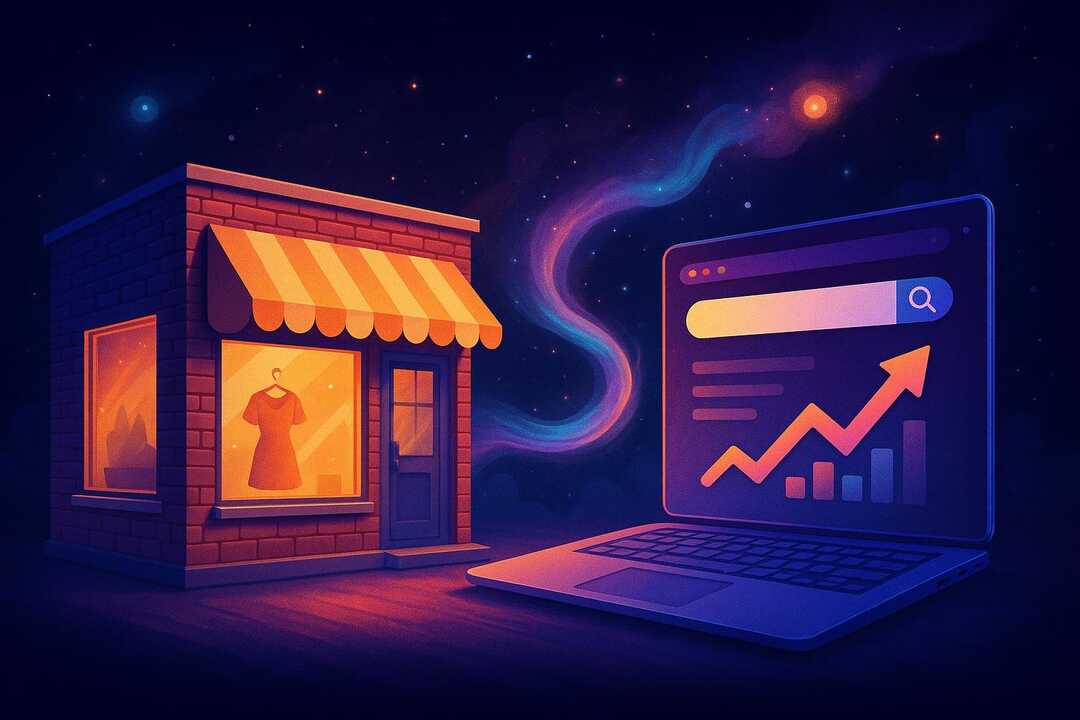
Retail businesses now face new challenges as consumers blend online research with in-store shopping. For example, shoppers often rely on local search results and digital reviews before they step inside a store.
Table of Contents
We now focus on how physical retailers can win against e-commerce giants by improving their SEO strategies for 2026 realities. As a result, store owners who use the right tools drive more foot traffic and also stay visible across many channels.
When you want to compete more, you must master local search. This focus gives you a strong edge over larger rivals that only sell in online spaces.
Mastering Local Search Optimization
Mastering local search is essential, especially as 76% of shoppers now use mobile devices for purchases. We see that a strong focus on site structure and fast load times forms the backbone of our SEO work.
Forbes reports that almost 88% of customers will not return after a bad online visit, which means a smooth site has a direct effect on whether we keep them. It’s crucial that every product page has a clear, unique description backed by keyword research from tools like Ahrefs or Semrush so each listing grabs local attention.
In addition, Google Shopping results also help us reach more people beyond organic search. Adding alt text with target keywords helps more images show up in search, and it matters a lot, since good photos matter to over two-thirds of shoppers based on recent Statista data.
Finally, we track reviews and we reply fast to help build trust, given 89% prefer businesses that respond to feedback according to Harvard Business Review reports; this local reputation can boost both rankings and foot traffic without relying only on paid ads long term.
Leveraging In-Store Events for Traffic
In-person retail events can offer unique experiences that digital shopping cannot match, and recent trends show shoppers responding enthusiastically. Hosting engaging store events not only drives foot traffic but also amplifies SEO through authentic social buzz.
- Community-focused gatherings tap into rising mall visits, as reported by Capital One Shopping, which saw a 1.8% uptick in indoor mall attendance during early 2025 over the prior year. Inviting customers to themed nights or interactive demos extends time spent at your location, higher average visit durations climbed by 3.3%. Posting real-time stories about these moments on platforms like Instagram encourages shares and mentions that boost online visibility.
- Tie-ins with major cultural milestones, such as Olympics-themed viewing parties or World Cup meet-ups, inspire wider participation both locally and online. The NRF’s Katherine Cullen notes consumer enthusiasm swells around big communal celebrations; our event posts earn more comments during national festivities than any other period of the year. These timely themes give people reasons to return repeatedly while generating content searched for long after the gathering ends.
- Integrating AI-powered tools helps us personalize promotions before each event based on past guest interests and behavior patterns identified in-store or online purchases (Gartner projects nearly 40% of enterprise apps will have task-specific AI agents this year). Sending tailored invitations increases RSVP rates compared to generic blasts alone, and follow-up quizzes keep engagement high even days later.
Integrating Real-Time Inventory Online
Switching from in-store events, we have found that using real-time inventory online is a turning point for retail SEO. Using an automated POS system keeps all sales channels synced at every moment, which boosts both speed and trust with our customers.
According to The Global B2B Buyer Behavior Report, nearly 75% of shoppers want accurate product stock across sites before they buy. Real-time data helps us avoid the risk of double-selling items or letting good stock sit unlisted.
This is a mistake many physical stores make when they first move online. In addition, our ecommerce site shows us how customers act on each page so we can adjust fast if some products get more traffic or sell out faster than we planned.
This approach not only lifts our search rankings but also brings more repeat visits since customers know they always get fresh, real-time info about what’s in stock right now, with no surprises during checkout.
We see brick-and-mortar stores thrive online through smart retail SEO in 2026. In this work, we use local search, customer content, and mobile tools to reach more shoppers both on the web and in our stores.
By focusing on real customer stories and moving fast with new trends such as visual search or local stock data, we push our brand reach far past old methods. As a result, strong online tactics help us stay current while we build closer ties with our community in a fast, tech-driven market.