

SV CASE STUDIES / PAID SOCIAL
PPC Sales Funnel Case Study
Audience first. A clear next step.
How TherapyFILM connected audience research, Facebook and Instagram campaigns, and funnel planning to grow its fan base and build interest in its Sony Store.
A campaign story for brands and white-label agencies.
- Reported leads
- 5,200+
- Reported impressions
- 245,000+
- Reported cost per lead
- $1–$2
- Facebook follower growth
- >1,000%
Historical results reported in the original case study. Leads are not confirmed purchases, and results are not guaranteed. Read the reporting context.
THE CAMPAIGN OUTCOME
A constrained budget.
A measurable response.
The original summary reports 5,200+ leads and 245,000+ impressions across brand and product campaigns, with leads acquired at a reported $1–$2 each.
- Client
- TherapyFILM
- Business goal
- Grow the fan base and store interest
- Campaign channels
- Facebook & Instagram
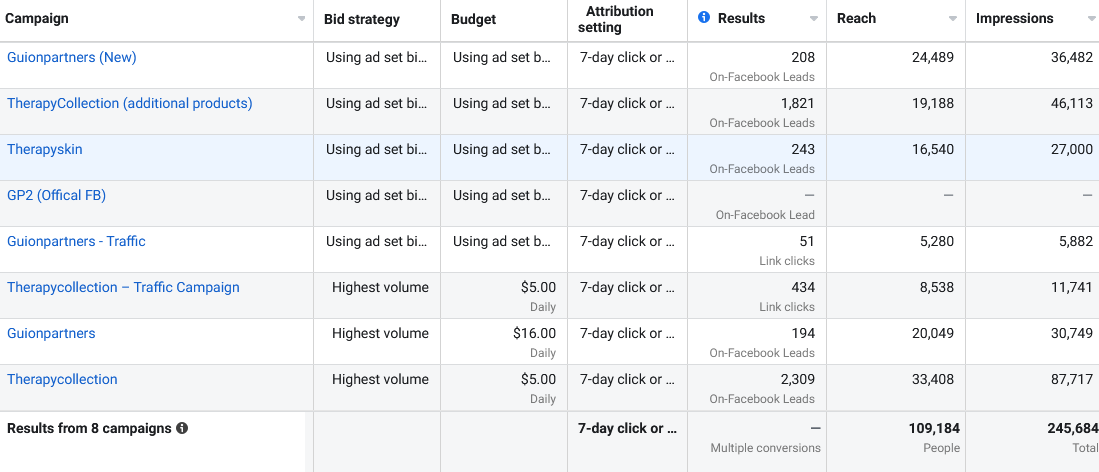
What these results measure
The headline totals and cost range are taken from the original case-study narrative, which describes multiple brand and product campaigns. The images are retained as historical campaign material, not independently audited performance data.
The summary does not establish a complete lead definition, attributed purchase total, full cost breakdown, or overall campaign date range. No revenue, return on ad spend, sales-qualified lead count, or conversion rate is inferred here.
HOW THE FUNNEL WORKS
A click is a beginning.
Build the next step.
Use the full journey to plan the campaign: attract interest, qualify it, make the next action clear, and keep the conversation relevant.
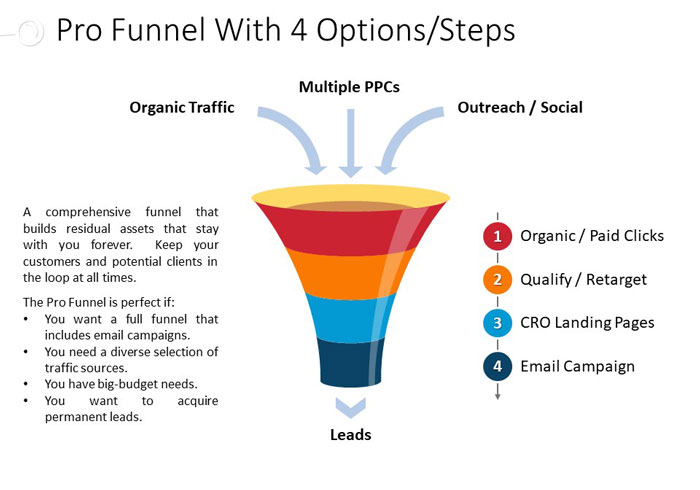
A planning framework—not a claim that every stage or channel was included in this historical campaign.
Clicks & discovery
Reach people with a relevant offer. In this case study, Facebook and Instagram provided the paid-social route into the audience.
Qualification & retargeting
Distinguish general attention from useful interest. Plan qualification and appropriate return-visit messaging around the action you want next.
Conversion-focused pages
Match the destination to the ad. Help visitors understand the offer, find the information they need, and complete a clear next step.
Email & follow-up
Continue the relationship with opted-in prospects. Use relevant stories, product information, and useful reminders rather than treating every lead as an immediate sale.
Different disciplines. One connected journey.
- Campaigns Set the direction
- Ads & PPC Reach the audience
- Content strategy Shape the message
- UX & optimization Improve the journey
- Analysis & data Measure and refine
INSIDE THE THERAPYFILM CAMPAIGN
Audience insight.
Campaign action.
The decisions behind the reported results, paired with the original campaign visuals. Open any image to inspect it at full size.
01Research
Start with the audience.
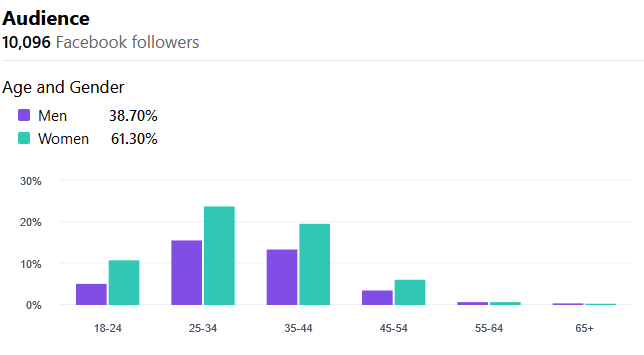
Audience and demographic research helped shape the campaign direction. The aim was to understand the people behind the potential fan base before choosing how to reach them.
02Engagement
Put the brand in the right feeds.
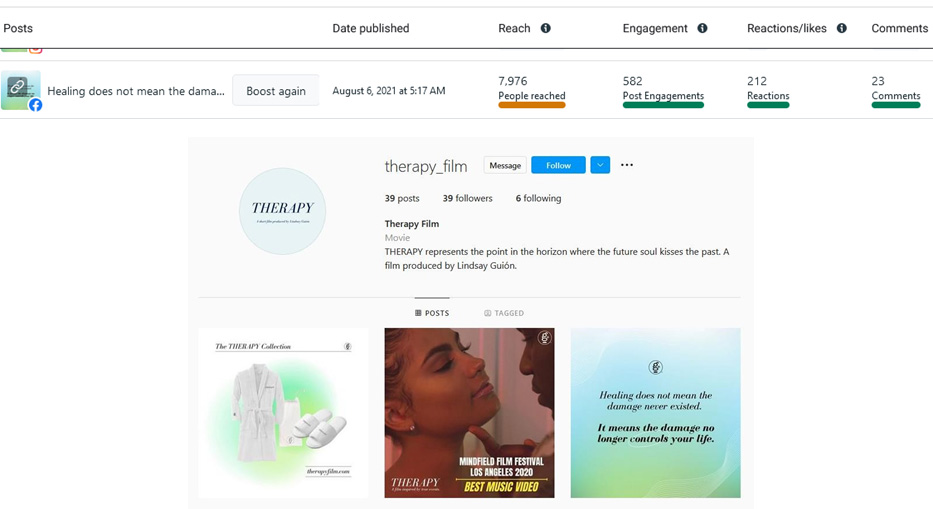
Facebook and Instagram were used to introduce the brand and build engagement. The campaign did not depend on already having a huge social following.
03Relevance
Match the message to the interest.
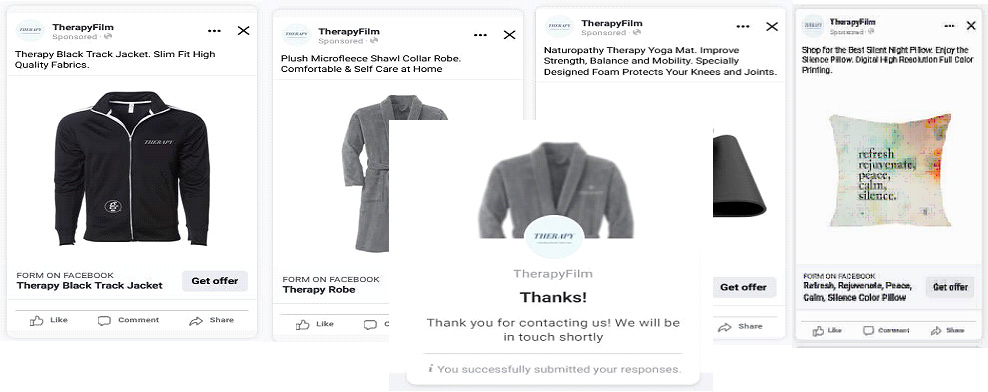
A broad product range made targeting more challenging. The case study describes a combination of targeting, analysis, and sequenced strategies to develop interest.
04Community
Give the audience a reason to stay.
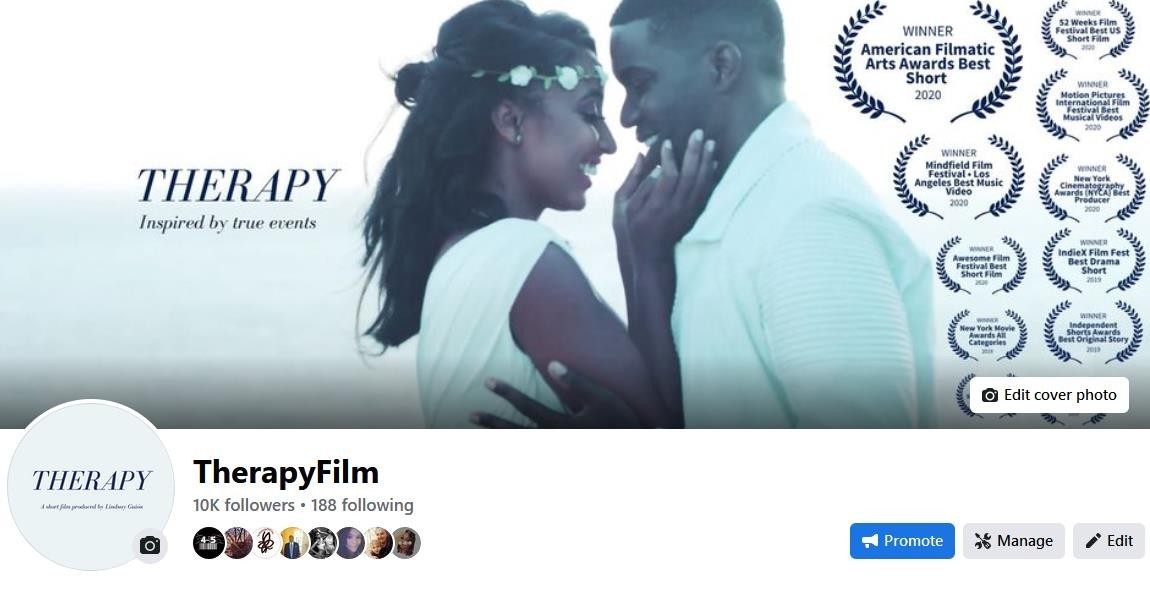
The original case study reports more than 1,000% growth in Facebook followers. That is an audience-growth result—not a claim that followers became paying customers.
BEYOND THE FIRST RESPONSE
The lead count is not
the end of the story.
The original page pairs campaign measurement with a longer-term view of audience relationships. Those are two different jobs—and both deserve a plan.
MEASURE & REFINE
Track what happens next.
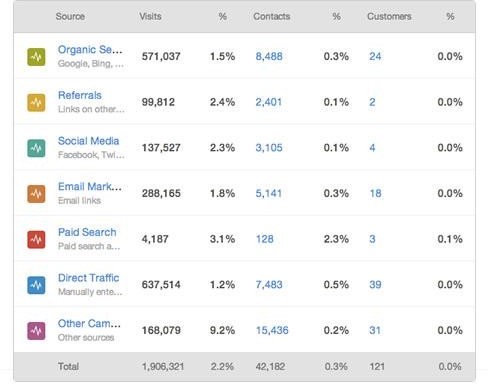
Start with a pilot, review the response, reduce wasteful effort, and refine before scaling. Agree on what counts as a useful lead so a low acquisition cost does not become the only success measure.
- Test
- Review
- Refine
- Scale
NURTURE & RECONNECT
Build a reason to return.
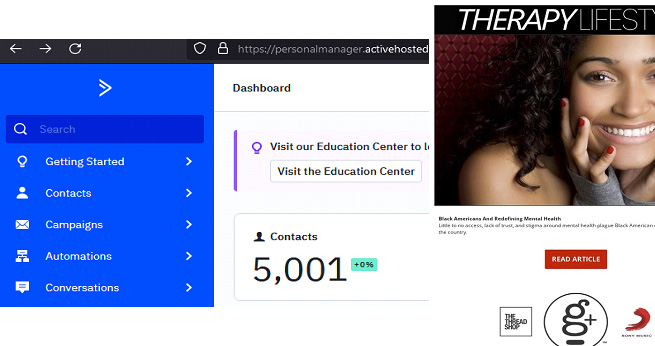
The case study describes email campaigns as a route for further contact with potential leads. Relevant stories and products can form the next conversation with people who have opted in.
An audience is a relationship to maintain, not a guarantee of future purchases.
THE NEXT CHAPTER
Beyond a campaign.
A broader brand direction.
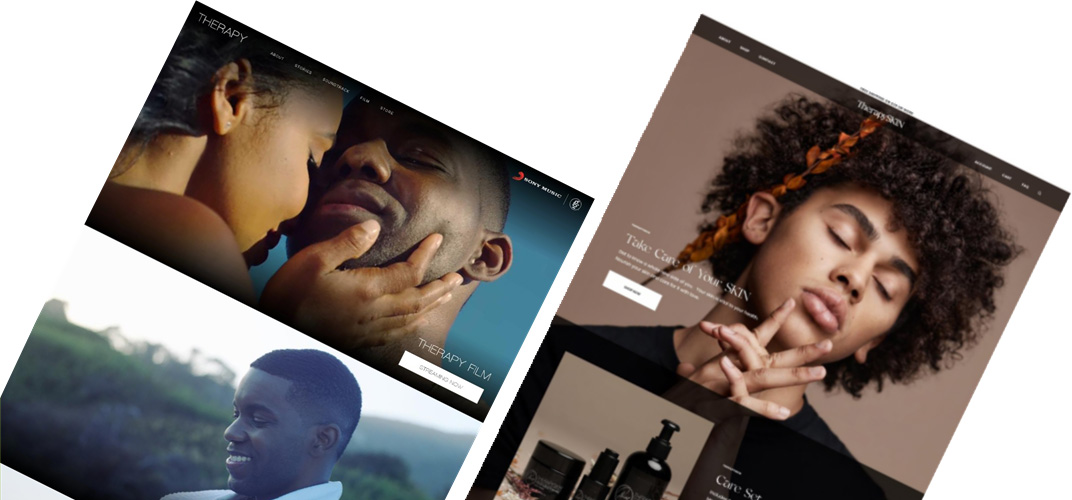
The published case study describes plans to revamp TherapyFILM and expand into sub-brands, including TherapySKIN. It presents the campaign as part of a wider brand-development story.
What should your next campaign build?Start with the business goal, then plan the path to it.
Talk through my goalsPLAN YOUR NEXT MOVE
Choose the support
your funnel actually needs.
Start with the gap: the audience, the destination, or the journey between the two.
Managed PPC
Explore campaign management, platform options, service limits, and white-label delivery.
PPC services Compare PPC pricingMarketing funnels
Compare funnel approaches and decide which stages need additional support.
Marketing funnels Compare funnel pricingLanding pages
Give the ad a focused destination with a clear offer and a clear next action.
Landing page services Discuss the page scopeQUESTIONS ANSWERED
Understand the case.
Plan your campaign.
What the figures mean, what they do not mean, and what to agree on before starting.
Ask a campaign questionWhat is a PPC sales funnel?
A PPC sales funnel connects paid advertising to the steps that follow: an initial visit, an expression of interest, a lead or purchase, and appropriate follow-up. The campaign is planned around that journey rather than treating clicks as the final outcome.
Which advertising platforms were used for TherapyFILM?
The original case study identifies Facebook and Instagram as the channels used to build the fan base and engagement. The results on this page are not presented as Google Ads results, organic SEO results, or a comparison between advertising platforms.
What results did the original case study report?
The published summary reports more than 5,200 leads, more than 245,000 impressions, a cost of $1–$2 per lead, and Facebook follower growth of over 1,000%. It describes multiple brand and product campaigns. These are historical campaign figures, not a forecast or a guarantee for another business.
Do the 5,200+ leads mean 5,200 customers or purchases?
No. “Leads” is the label used in the original campaign summary. That summary does not provide a complete lead definition, a qualification breakdown, or an attributed purchase total. The number should not be treated as confirmed customers, completed purchases, or sales-qualified leads.
Does the $1–$2 cost per lead include every campaign cost?
The original summary does not itemize the cost calculation or say whether management fees, creative, landing pages, or other services were included. It should not be interpreted as a fully loaded customer-acquisition cost. For a campaign proposal, agree on the cost basis and separate media spend from service fees.
How long did it take to achieve these results?
The published campaign summary does not specify a complete campaign start date, end date, or a verified time-to-result for the combined totals. No delivery timetable is inferred from those totals. Your own launch and review schedule should be agreed after the scope, assets, access, and approvals are confirmed.
Do we need a large social following before starting PPC?
A large existing following was not presented as a prerequisite in the TherapyFILM case study. The campaign focused on audience understanding and relevant targeting to build engagement. For your business, start by assessing the offer, audience, creative, destination, and realistic test budget—not just the follower count.
What should we measure beyond impressions and leads?
Define the next meaningful business action before launch. Depending on the offer, that might be a qualified inquiry, booked appointment, accepted opportunity, or purchase. Review lead quality, progression through the funnel, and acquisition cost where reliable tracking is available. A lower cost per lead does not automatically mean better customers.
Can a funnel be planned around a limited budget?
A useful starting point is a focused pilot with a defined audience, offer, destination, and decision rule for the next test. Agree on media spend separately from management, creative, landing-page work, and follow-up. The historical cost per lead in this case is not a minimum budget or a promised price for your campaign.
Are landing pages, email campaigns, and tracking included in PPC management?
Do not assume they are bundled. SV’s current PPC scope distinguishes ad management from work such as new landing pages, website tracking installation, CRM integrations, and custom creative. Confirm the complete funnel scope, including email follow-up, before launch. Review PPC services and marketing funnel options.
Can agencies offer this type of service under their own brand?
SV offers white-label PPC support as well as direct brand management. Agencies can discuss campaign fulfillment and reporting while retaining their client relationship. Confirm platform coverage, service limits, creative responsibilities, tracking, approvals, and any additional funnel work in the proposal.
How do SEO and Prose fit alongside a PPC funnel?
Paid advertising, organic search, and content have different jobs in a wider acquisition plan. The related SEO campaigns and Prose links below are options for planning your next project; they are not presented as services or tools responsible for the historical TherapyFILM results. Choose the additional scope around the gaps in your own customer journey.
PUT THE NEXT CLICK IN CONTEXT
More than an ad.
A plan for what happens next.
Bring your offer, audience, budget, and current landing page. Let’s discuss the campaign—and the next steps it needs to support.