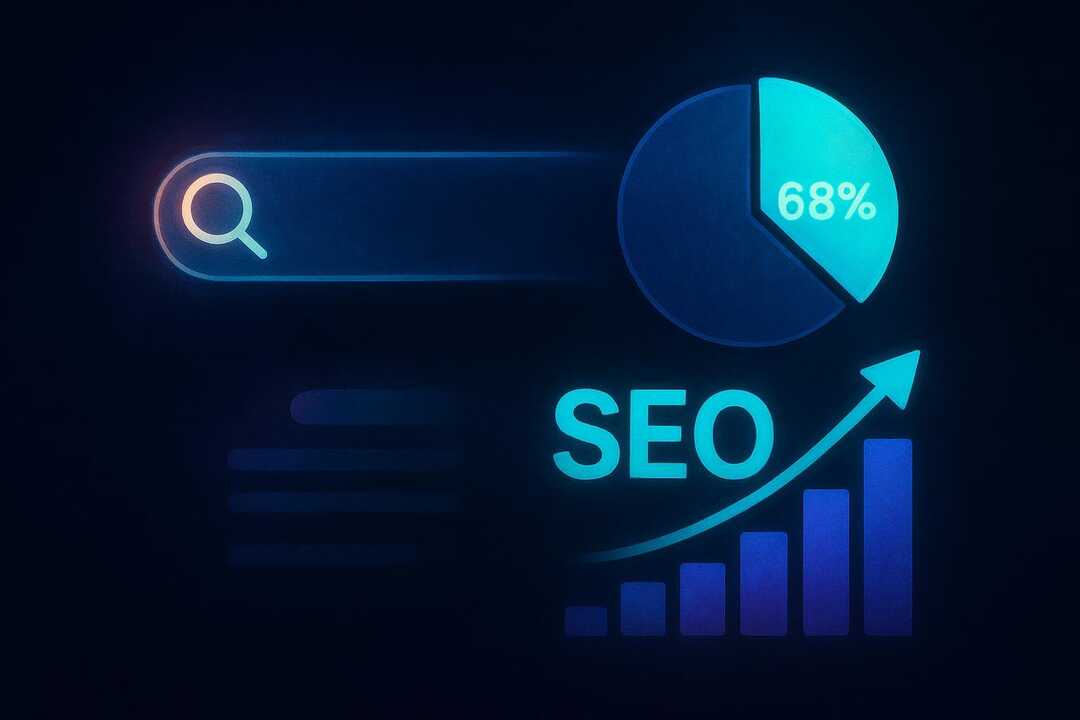
Google keeps more answers on page, so zero click results now claim 68% of searches and cut traffic. This pushes new SEO habits. You need pages that answer fast, earn rich results, match local intent, use pics, and match the plain words you use.
Table of Contents
Clicks still need strong hooks. You also need People Also Ask, FAQ pages, tracking, and click cues. That work, therefore, starts with featured snippet friendly content, since clear answers give you the best shot at winning attention.
Prioritize Featured Snippet Friendly Content
The 68% zero click rate means featured snippets now need your first content pass. Is that top spot clear to you? Google pulls short answers first, and they favor your clearest lines. This also builds trust.
When you state the answer in forty to sixty words, Google can quote it above blue links and source cards. As a result, there’s less wasted motion. A simple heading plus a direct answer often wins the scan.
Search Engine Journal has noted that snippets reward structure, and Google puts the same concise sources into AI Overview source cards. Their gain can be your gain. If zero click searches keep climbing, snippet friendly copy will help you own key answers, earn recall, and soften traffic loss.
Leverage Schema Markup for Rich Answers
- Start with clear context: After clear on page answers do their job, schema gives Google the tags it needs. In the US, more than half of searches end without a click, so page level visibility matters.
- Match the schema to intent: You can use Article schema for editorial pages and HowTo schema for step by step pages with direct answers. Research shows 59.7% of EU searches end without clicks, so intent matching is worth the work.
- Validate each field: You can use Google’s Rich Results Test and Search Console to spot errors before broken markup burns your crawl budget. If fields are blank or wrong, there’s a good chance you will lose your rich result eligibility.
- Build one clear entity: Organization schema helps Google tie your site, authors, and topics into one trusted source. The trust can lift your branded searches over time, and you can get near 100% click through rates on those visits.
- Treat schema as core tech: AI Overviews cut organic clicks the most, yet cited sources still gain more traffic than uncited pages. It gives you more chances to show up in rich answers, even when users feel no need to click.
Optimize for Local SEO Queries
Local intent gives you one clear path as zero click searches near 68% and AI Overviews cut CTR by 18%. That is why you treat local SEO as a visibility play, because the clicks that remain convert 23% better.
- Geo keyword mapping: Group keywords by city, neighborhood, and service because SparkToro and Datos showed zero click rising from about 50% in 2019.
- Commercial local intent: You should focus on local compare and buy terms because it’s where 51.2% zero click beats 74.3% info rates.
- On page local proof: Add addresses, service areas, price cues, and new local reviews so you trust your choice before you click.
- Visibility based reporting: Track map views, branded searches, and assisted leads because you get more value when post summary visitors convert 23% better.
Tailor Content for Voice Search Phrases
Voice queries sound like talk. It helps you match what people mean before a zero click answer wins.
- Use full question wording: comScore says 40% of adults use voice search daily, so full question wording matters. That adds up to more than one billion monthly searches, so you should mirror how you ask out loud.
- Match real situations: Voice search often happens while driving or cooking, when short screens and fast help matter most. There are moments when you need the answer right then, so your copy must fit.
- Favor plain speech: BrightEdge found most marketers still had not added voice tactics, which leaves room for clear language. Voice search is easier to match when you use short words and plain verbs.
- Lead with direct answers: Many assistants read the first clear answer aloud, so your page should state it fast. The best pages lead with the core fact, then back their next choice.
- Cover common spoken patterns: AYTM found assistant use spread across several tools, so phrasing must work across habits. Include who, what, when, and how in your wording, because you ask that way.
Focus on People Also Ask Sections
- Next step: That same natural question wording helps you show up in People Also Ask as zero click searches hit 68%.
- Intent match: From there, map long tail questions your customers ask, because you earn trust sooner with intent based pages.
- Clear format: Then, keep each answer under a clear heading, because it’s easier for engines to grab.
- Authority cue: Finally, Google’s Helpful Content update rewards pages when you answer the sales team’s top questions in their words.
Use Visual Content to Capture Attention
Visuals stop fast thumbs. With zero click searches at 68%, your image, chart, or clip must land the point before you ever visit.
- The feed is now where many decisions begin. It rewards instant clarity.
- Lead with one bold visual cue, because TikTok, Instagram, and Reddit pack the buyer path into seconds of focus. Use clear text on image so you can see your value fast.
- Show their faces and hands. Small brands often win because they look real, and those visuals earn mentions across feeds, niche groups, and AI summaries.
- Add proof near action. There, reviews and bundles on screen can raise spend and loyalty.
Monitor Zero Click Metrics Daily
Next comes measurement. After page polish, you need daily no click tracking. Search behavior is moving. For example, SparkToro says about 68% of Google searches now end there. That means you should watch your pages, your terms, and their click paths each day, because loss will spread fast and quiet.
The pattern isn’t new. SparkToro also found searches that led to another Google search rose by 7.2 points, which tells you tune ups are growing. It may grow fast. In fact, Search Engine Land reported AI Overviews show on over 20% of searches, and clicks drop near 60% when they do.
There, daily checks help you watch your AI Mode past its 0.34% start.
Develop Content That Encourages Clickthroughs
Search behavior now keeps 68% of queries on the results page. That means you must give people a stronger reason to click for depth, proof, and action.
- Depth that earns the next click: The results page handles basics, so your page must answer the hard questions buyers still carry. It should offer deep guides, white papers, and case studies that back real review. There’s more intent in those visits, because people have already screened options before you arrive.
- Pages built to convert: Your landing pages need one clear promise, one next step, and copy that kills doubt fast. The old traffic is king idea fails when research starts elsewhere and your visits are fewer. It helps when your forms are short, proof is plain, and your calls to act match the query.
- Interactive proof and trust: Interactive tools, simple calculators, and guided paths give you a reason to stay and compare. There’s risk in thin pages, because you want trust signs, safe cues, and real stories. When you see testimonials and a clear brand story, your confidence grows and your click is worth more.
Integrate Conversational FAQ Pages
After that, conversational FAQ pages help you answer users before Google cuts the visit off on results.
- Use real questions: Your FAQ page should mirror how you speak because Google reads plain language and rewards clear answers. That wording helps you match phone based searches and zero click behavior with less guesswork. It also keeps the page easy to scan when you need a fast answer.
- Show proof inside answers: Each answer should include the person behind it, their role, and the results they got. Google now weighs experience, expertise, authority, and trust, so your FAQ page needs creds, contact details, pricing, and rules. There’s less doubt when you see who you’re and how you work.
- Build for mobile first reading: Google says 53% of mobile users leave pages that take more than three seconds to load. Keep text at 16px, make tap areas 44 by 44 pixels, and use short headings. The result is a page you can read fast, and Google can process with ease.
Zero click now shapes SEO. With 68% of searches ending on results pages, your plan must change. As a result, old ranking goals aren’t enough. You will win more leads when you build pages that answer fast, win trust, and move your visitors to act.
That starts with intent. You have to map each query to a clear page goal, then add proof, depth, and strong calls to action. You should also track impressions, clicks, calls, and assisted conversions. Otherwise, traffic alone will mislead.
As AI Overviews and rich results take more space, you need content that earns mentions, visits, and direct demand. If you adapt now, we can help you keep SEO profitable.