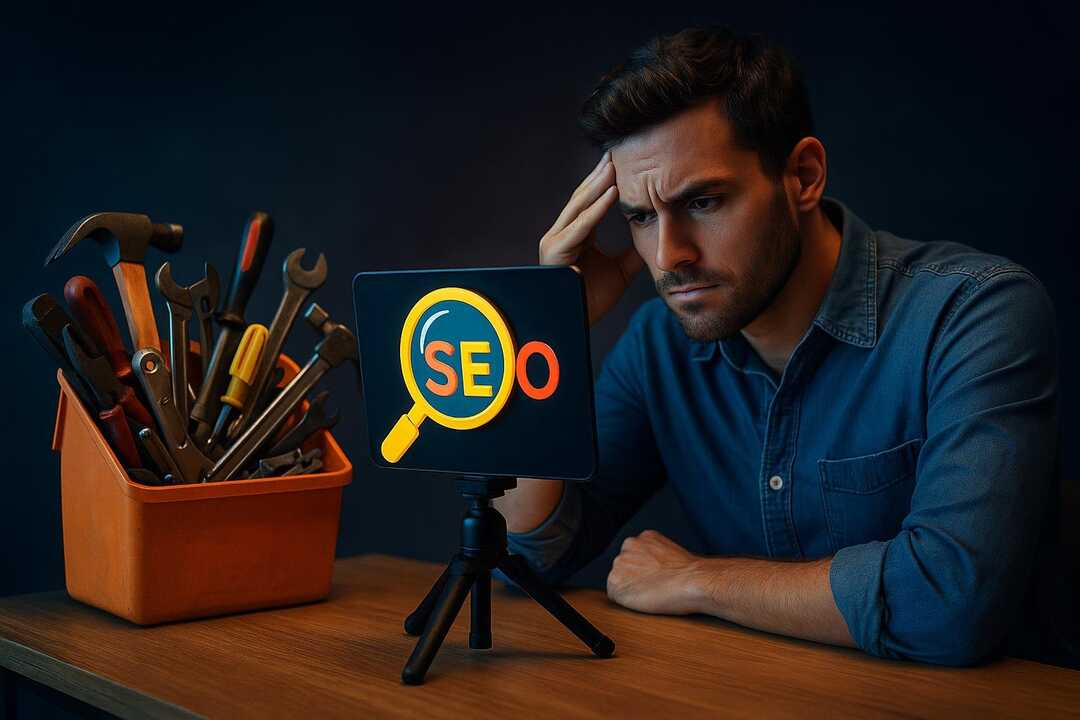
Too much SEO backfires fast. You waste time when you give every task equal weight. As a result, results fade when you lose focus. Growth starts with client goals, user intent, and high impact keywords.
Table of Contents
Meanwhile, bad metrics hide waste. When you chase each update, ignore expert roles, or build random pages, your process, tests, and client wins lose steam. That fix starts when you name your core services clear.
Identify Your Core Services Clearly
The fix everything pitch fails when your services stay vague. It blurs buyer trust. There’s a reason we ask you about services and your client stories because your page gains hard facts AI lacks. As a result, the web rewards clear offers.
If you name each service, Google will judge fit fast. It tells buyers they’re home. When one page covers ten services at once, Google sees weak depth, and its system keeps you on page 2. In local search, your Google Business Profile move can erase visibility if Yelp and Healthgrades still show the old address.
For example, a 2021 Google core update cut one agency’s traffic 80%. That is why focus wins.
Establish Client Goals Before SEO Tactics
Clear goals stop waste fast.
- Audit before action: An audit shows you the pages, terms, and tech gaps that block growth and waste agency hours. It also gives you baselines, so you have a real base before you try to fix it all.
- Goals tied to revenue: George T. Doran wrote in Management Review that SMART goals keep your plans clear, timed, and real. If your traffic is rising 5% each month, you can aim for 10% by year end.
- Focus beats the fix everything trap: The wrong plan treats every issue as urgent, but your buyers often land on a few high value pages. There, your goals guide their work, and you answer the sales questions your clients hear every week.
Prioritize High-Impact Keywords Only
Most agency SEO plans fail when they spread work across the whole keyword map. You waste less when you stop treating all terms like they need a page.
- Intent first: Start with low competition phrases that match what you want right now. A tight keyword list helps you spot clear intent, less waste, and a better page fit.
- One page, one main phrase: Most pages rank best for one core phrase and a few close variants. It also means you need a new page for each new idea, even if the topics seem related.
- Gap checks over giant lists: Review top pages for structure, depth, and links, then target gaps where your rivals leave weak coverage. Google Search Console often shows more impressions after 4 to 6 months of tighter page focus.
Avoid Chasing Every Algorithm Change
Constant updates can pull your team off course fast. You will win more when you fix what readers need on each page.
- Pattern over panic: Search systems in 2026 reward pages that solve a clear need, not pages rewritten after each rumor. If you miss the search intent, users leave fast, and AI systems learn to skip you.
- Trust lasts longer: AI driven engines lean on experience, expertise, authority, and trust before they show or cite content. You get more value from real proof than from each update note.
- Natural language wins: Stuffing new keywords into old pages after each change hurts readability, trust, summaries, and engagement signals. It also makes your copy sound forced, and that is easy for you to spot.
- Steady systems scale: We keep pages clear, linked, and useful, so you have a site that holds up longer. The better answer will beat frantic edits, because it gives search engines and readers the same signal.
Delegate Tasks Based On Expertise
For agencies, you get better SEO results when you assign repeat work by skill instead of fixing it all at once.
- Keyword mapping: A remote SEO assistant can group terms each day, freeing strategists for deeper tech fixes and conversion work.
- Publishing flow: WordPress publishing, image alt text, and link placement take hours you should not spend on your senior team.
- Consistency: One article per month rarely drives strong organic growth, so you keep your engine running with delegated upkeep.
- Reporting support: Clear reports from assistants keep clients calm and help you act faster on what the data shows.
- Proof point: HubSpot says structured blogging and SEO bring more traffic and leads, which shows focused delegation beats fixing it all.
Measure Success With Relevant Metrics
Real progress needs proof. Is more traffic enough, though? HubSpot notes SEO needs steady updates, so you watch the few numbers that prove progress.
- Benchmark before action: Start with audit data on traffic, ranks, indexed pages, and page health before you change anything. It gives you a clean starting line, and you have less guesswork in later reports. When results move, you can tie gains or losses to clear fixes instead of vague views.
- Revenue linked outcomes: Traffic alone can trick you, because visits that never convert will not pay your team or your client. The better view is organic conversions, lead quality, and close rate from search traffic. If your leads rise 20% but sales stay flat, you have a message gap or offer problem.
- Technical and content health: HubSpot says on page and tech SEO should work together, so your metrics must cover both sides. Track click through rate, indexed coverage, and page speed, because weak pages can block strong content. There’s your answer if your pages stall, because they load slow and lose their chance to rank.
Focus On User Intent Over Volume
Agencies lose ground when volume leads and intent gets ignored. As a result, you waste time there. Search intent is the why behind a query, and it tells you what people hope to find before they bounce back.
Your search path runs through Google, voice assistants, AI answers, and visual tools. As Search Engine Journal notes, results reward pages that match intent because up to 60% of searches end with no click.
You have less room for waste. Informational, navigational, and transactional searches each need their own format. This shapes the SERP. If they ask how or why, you should give scannable answers AI overviews can cite, while buyers need fast pages with schema.
That is how you win.
Build Content Around Strategic Pillars
Once intent is clear, strategic pillars keep your plan tight and stop waste across content, links, and tech work.
- Pillar map: Group related pages under three to five themes, so you and search engines see the link fast. There’s a real tradeoff, because pages near page 11 often beat small speed tweaks on fast pages.
- Cluster depth: Build a main page for each pillar, then add help pages that answer close questions your buyers ask. They also help Google read the topic, because you keep each page on one close question and link back in a clear way.
- Triage rules: Use impact, reach, effort, and risk to pick pillar work, and cut low value cleanup from your roadmap. Industry surveys find non SEO dev work blocks fixes for 67% of teams, so you should stay narrow.
Refine Processes Through Continuous Testing
Focused testing beats broad fixes every single time in SEO. SEO is a steady process. If you try to fix it all, bottlenecks stay hidden, and they keep draining results. This wastes hours each week. A solid plan tests one change at a time, because slow pages, weak briefs, and handoffs each show the root cause.
The source text proves it: an SEO audit found many flaws, and slow load time was a key issue. There’s a clear lesson. You will fix more when you test one cause, then the next one. Think with Google reported that 53% of mobile visits are abandoned after 3 seconds, so you should test speed first.
Then you build focus from there.
Fix less, and win more. When you chase each SEO issue at once, your team spreads work thin and results slow for each account. That is why a tight plan will beat a big task list. If you run a focused agency, you pick the few actions tied to sales, then track them well before you add more work.
That is the win. Specifically, start with service pages and internal links, and your rankings will move sooner. One broad industry study found that 96.55% of pages get no search traffic, so priority will beat volume.
Data backs that up. So if you want better SEO, you have to cut scope sooner. In the end, we will help you focus.