[email protected]
1-800-398-5212



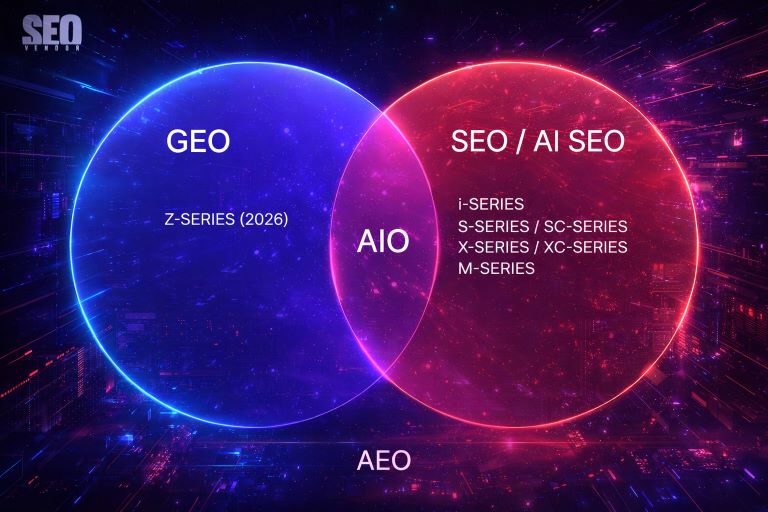


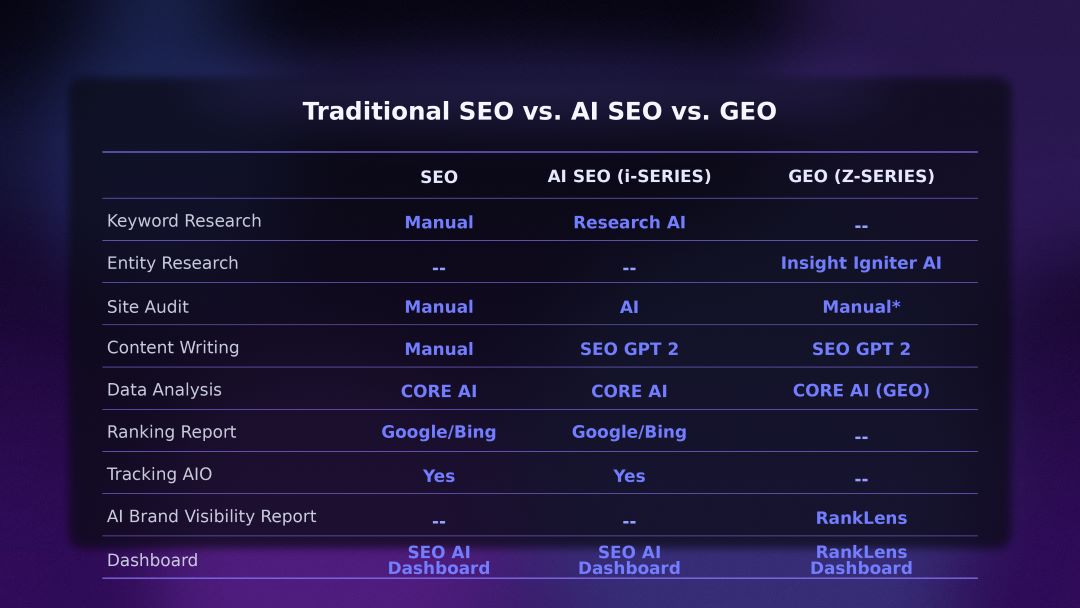
GEO (Generative Search Optimization) focuses on improving how often (and how well) AI systems surface your brand in answers—across platforms like ChatGPT, Gemini, Claude, Grok, DeepSeek, and more.
GEO is not traditional search ranking. Instead of optimizing for “target keywords,” GEO optimizes for entities: the real concepts AI uses to understand what you do, who you serve, and when to recommend you.
GEO starts with visibility—because you can’t improve what you can’t measure.
Track brand + website appearance across AI engines, locations, and languages
Spot when AI confuses you with a competitor, category, or wrong association
Monitor changes after PR, content updates, partnerships, and brand positioning shift
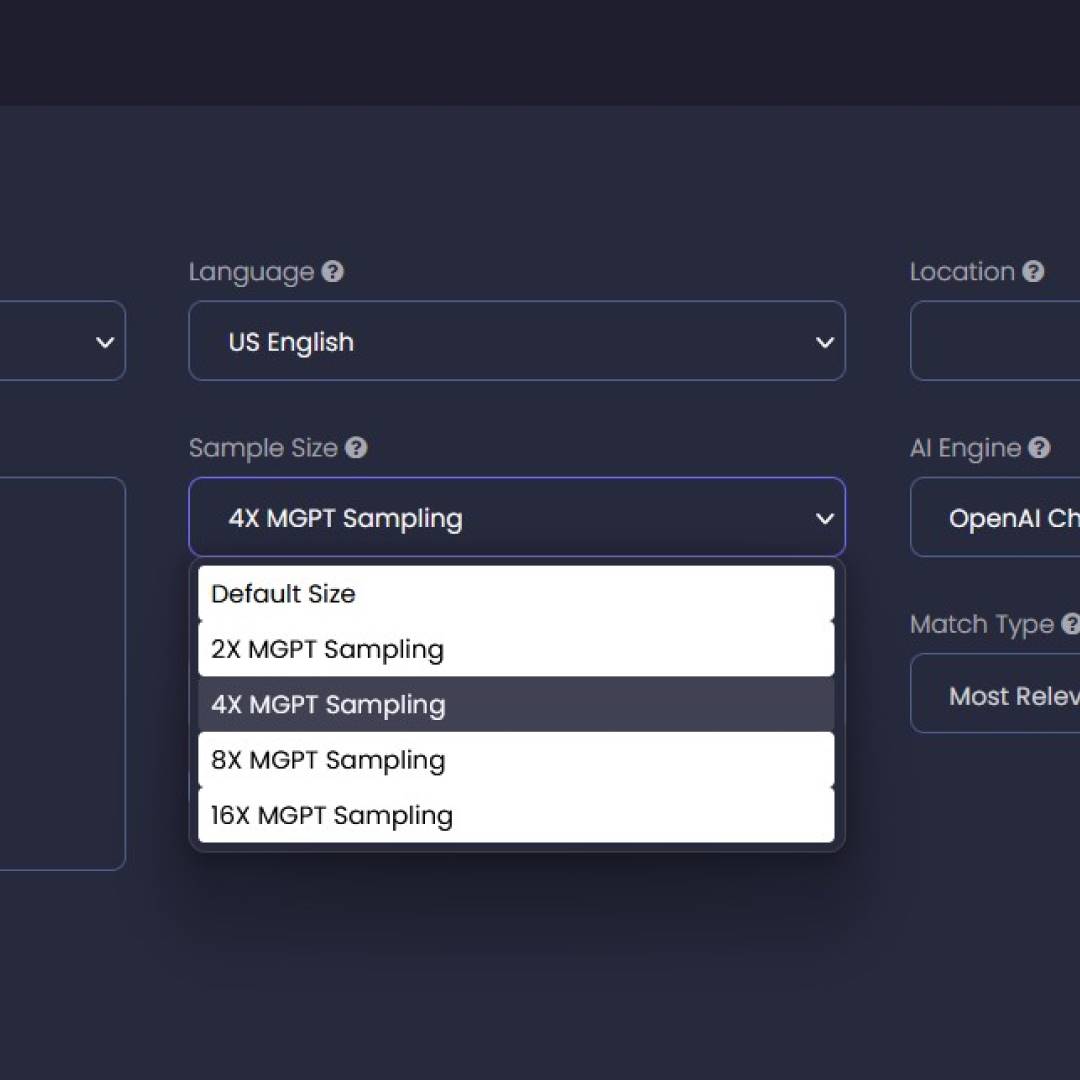
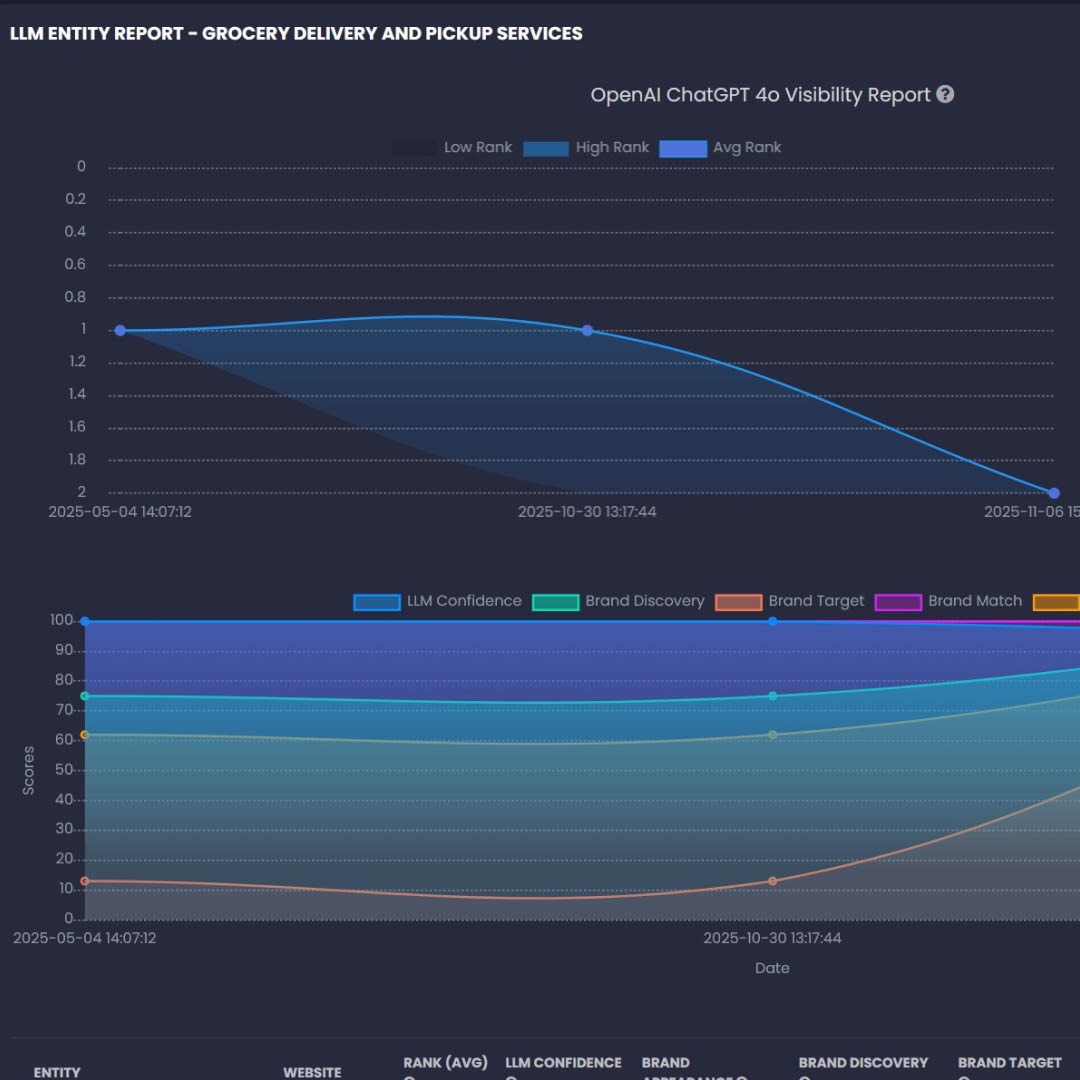
AI outputs vary. GEO reporting reduces randomness so trends become measurable.
Multi-sampling (4×–16×) to avoid relying on one “lucky” response
Stable averages + ranges so you can compare visibility over time
Entity-based analysis that aligns with how AI actually recommends brands


Set GEO reporting to run weekly or monthly—no complex setup needed.
Watch visibility trends before/after campaigns
Identify early lifts (or drops) as models update training signals and retrieval behavior
Build client-friendly reporting that shows progress without guesswork
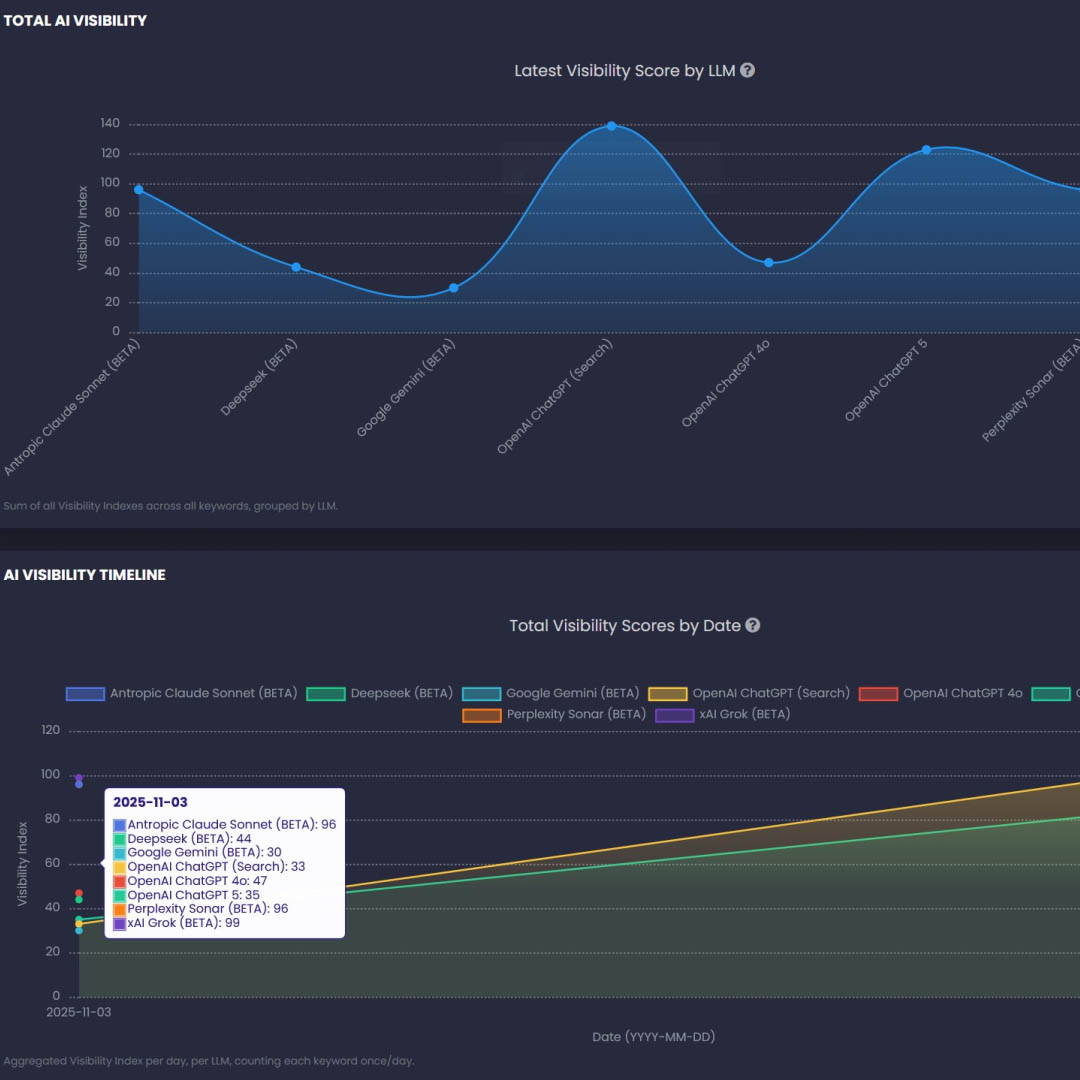

If AI is recommending “top options,” GEO shows whether you’re one of them—and how often.
Compare how frequently AI mentions you vs. competitors
Measure discovery for “best option” and recommendation-style questions
Identify the entities and contexts where you’re gaining traction fastest
Whether you’re managing one brand or hundreds, GEO scales cleanly.
Track visibility by city, region, or country
Manage multi-location brands and franchise-style setups
Run multilingual reporting to match real user behavior
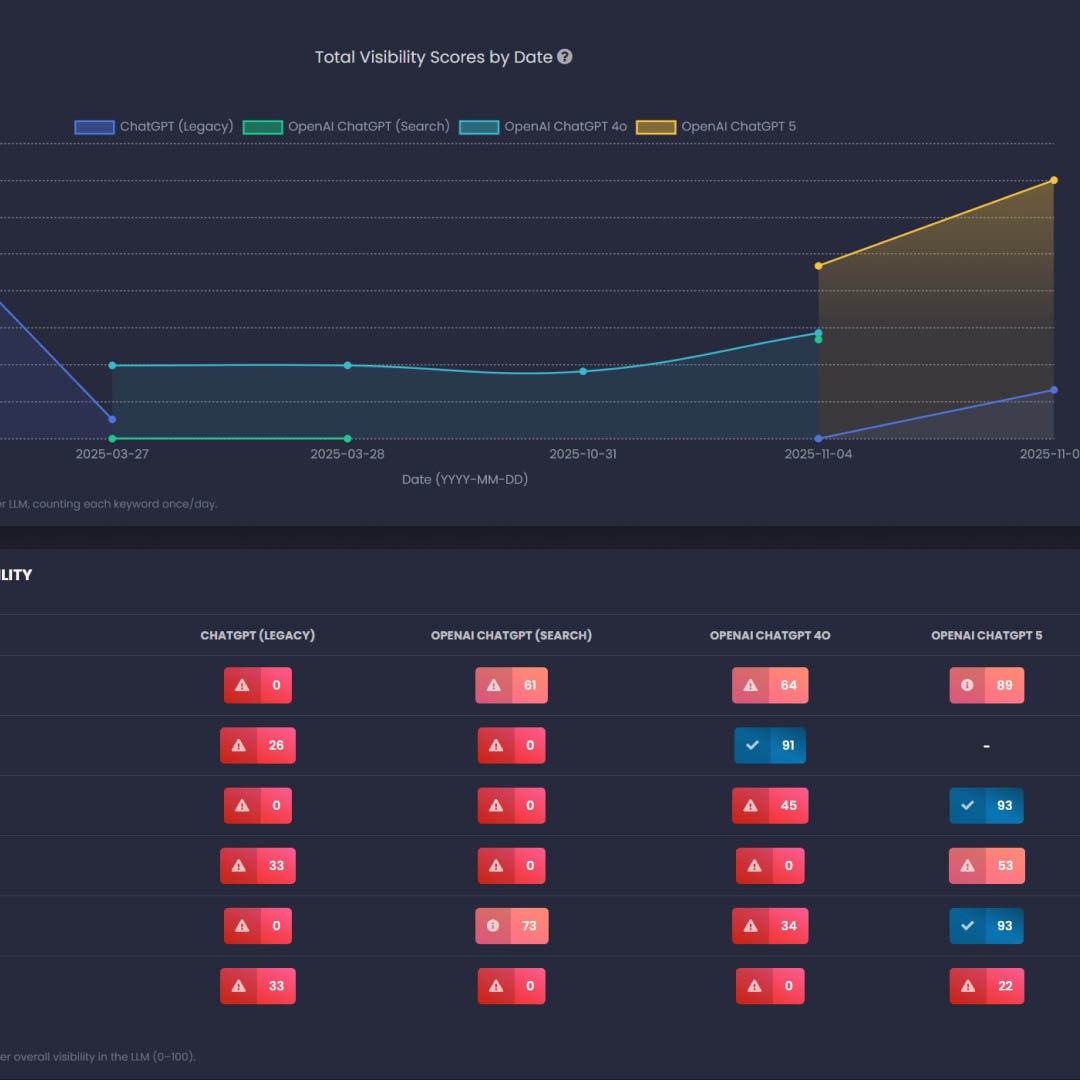
GEO visibility can differ drastically by platform. We track where you’re strong—and where you’re missing.
Supported environments can include (as available):
ChatGPT, Gemini, Claude, Grok, DeepSeek, Llama, plus emerging AI modes as they evolve.
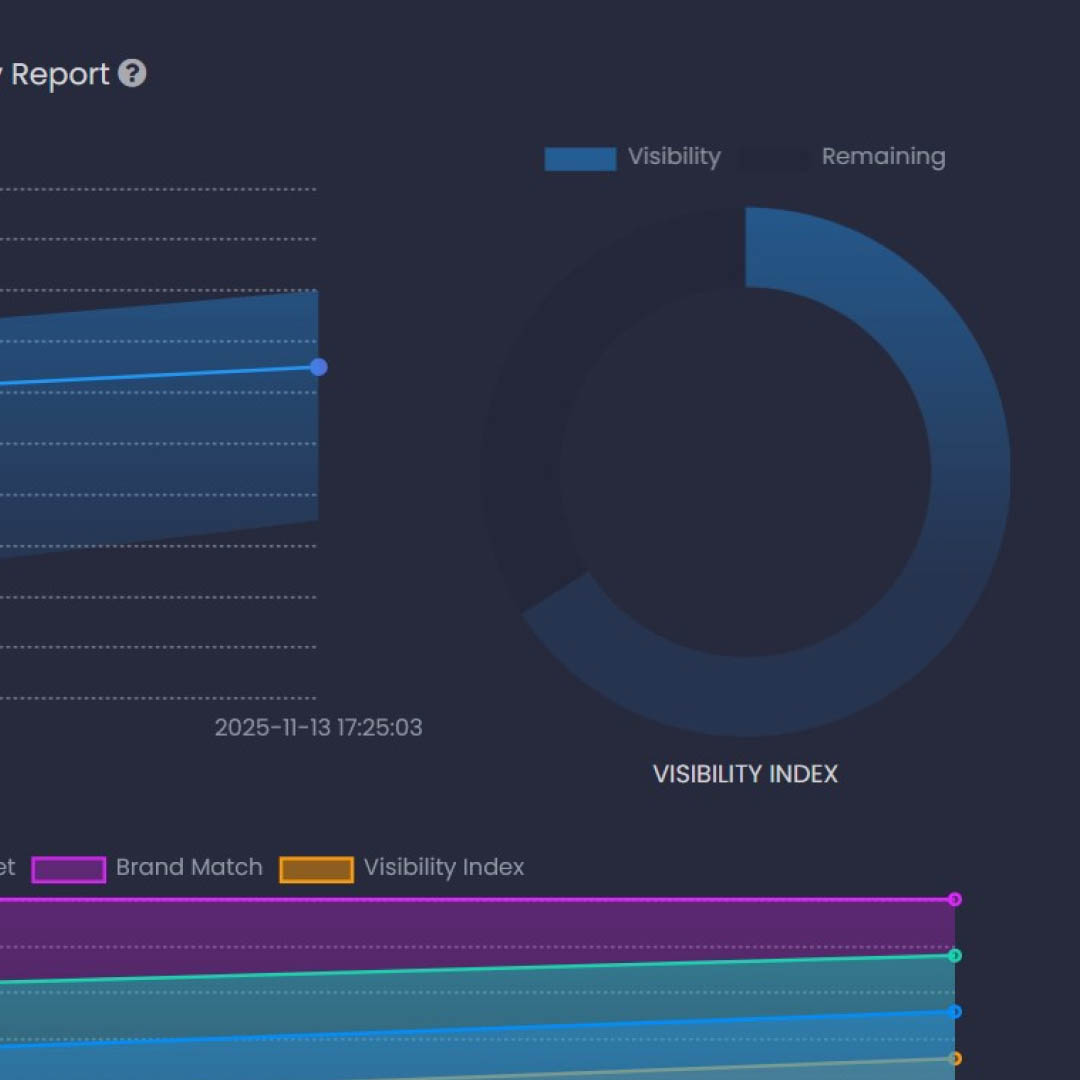
GEO rolls multiple signals into a single score that answers:
“How visible are we inside AI recommendations?”
Simple 0–100 style index for fast decision-making
Breakdowns by engine, location, language, and entity set
Clear next steps tied to what’s actually changing in AI outputs
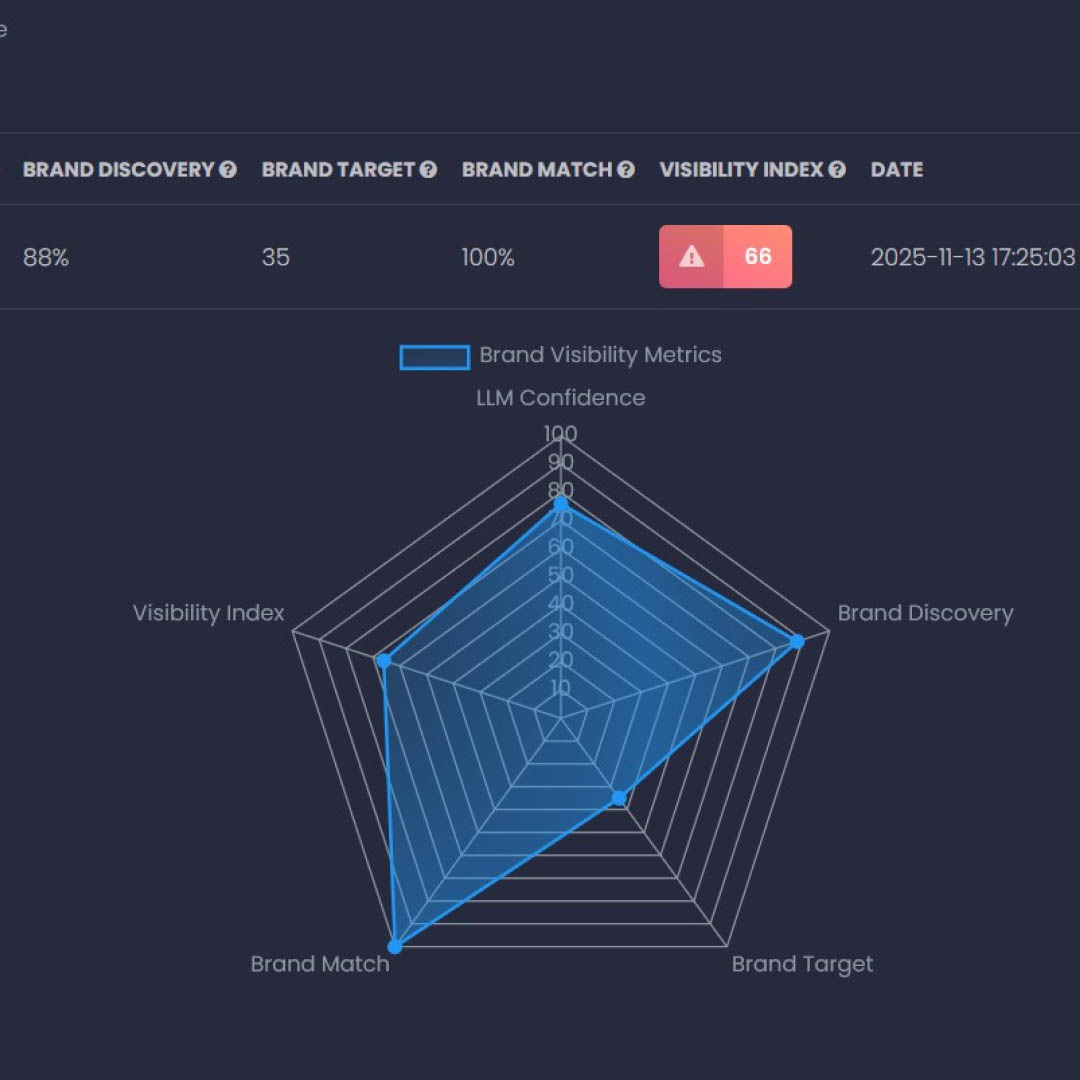
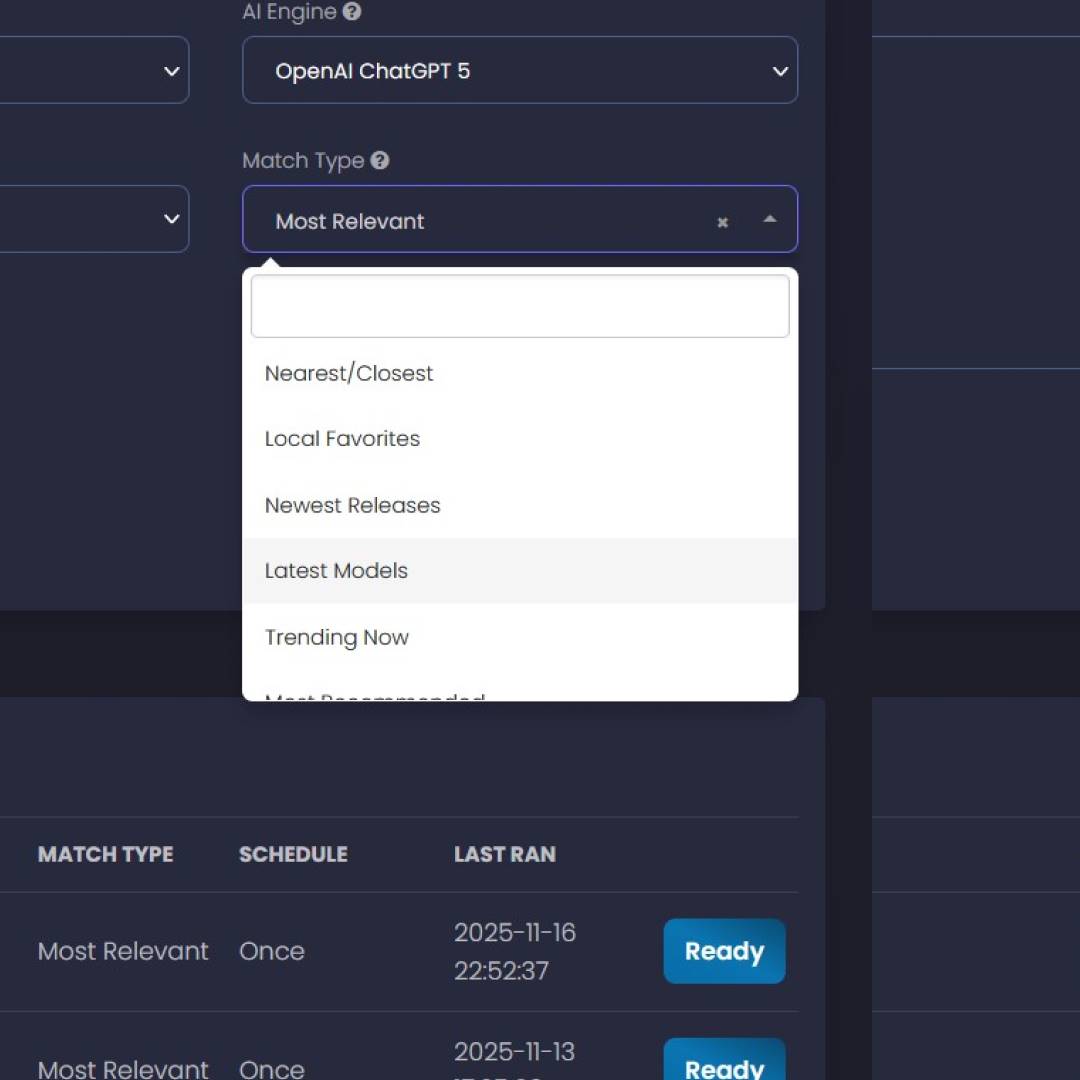
AI can misspell you, merge you with another brand, or recommend someone else by accident.
GEO tracking helps you catch:
Name variants and website mix-ups
Wrong category associations
Brand-target mismatches (when users clearly want you, but AI suggests someone else)
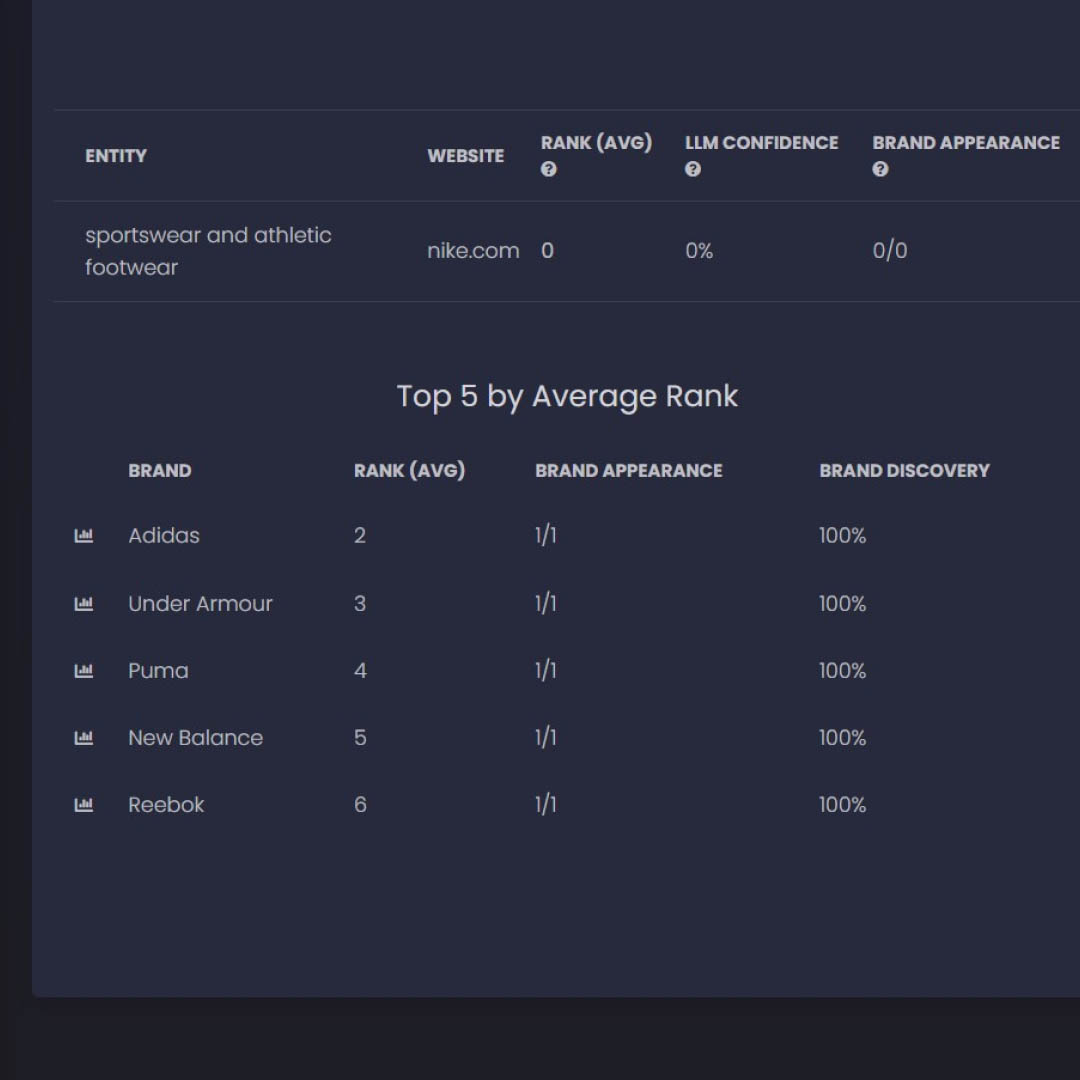
Instead of chasing “keyword rankings,” GEO focuses on entity sets that describe what you do.
Examples of entities:
“Nashville car dealer”
“app for finding new and used cars”
“emergency plumbing for condos”
“best ergonomic office chair for tall people”
You can also turn real prompts your customers use into entity targets, then measure visibility across similar prompts and contexts.
A modern GEO campaign blends strategy, content, and AI visibility reporting:
Entity Research: Insight Igniter AI (entity discovery + topic mapping)
Content Production: SEO GPT 2 (entity-aligned content creation)
Analysis: CORE AI (GEO-focused insights)
AI Brand Visibility Reporting: RankLens
Dashboard: RankLens Dashboard
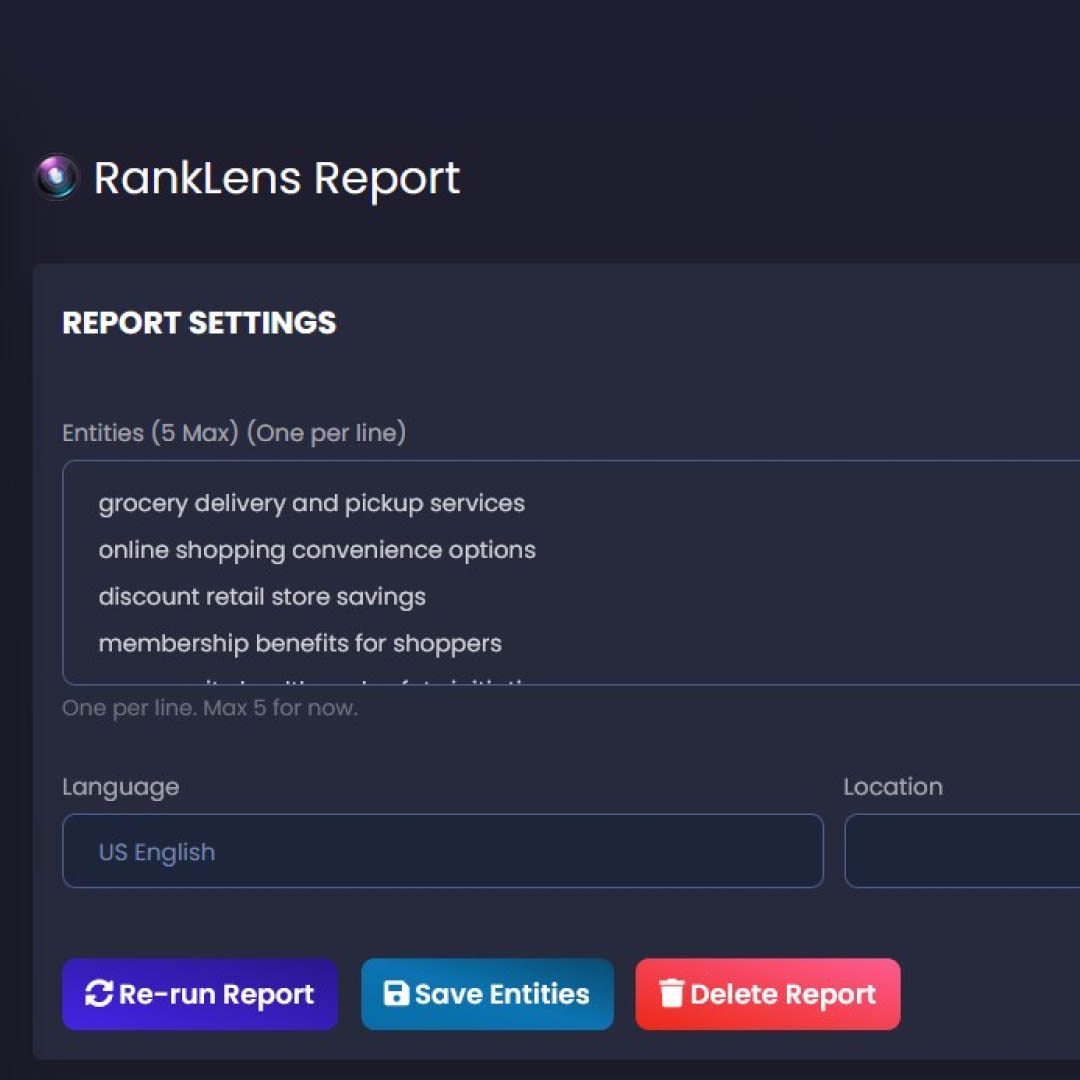
RankLens is now fully LIVE, available to everyone. Create a FREE account to check your brand visibility!
AI chatbots don’t work like traditional search rankings. They’re entity-based, and outputs vary. In some cases AI lists brands; we may measure position/order, but true progress is tracked through AI Brand Visibility, not “keyword rank.”
We can convert real prompts into entities, then track appearance across similar prompts and contexts. Because LLMs are probability-based, you can’t guarantee a single prompt output—but you can measure and improve consistent visibility across the entity set.
GEO timelines vary. Some brands see movement in ~3 months, others take 6–12 months depending on competition, entity difficulty, and the depth of optimization required. Visibility often improves as models update training signals and retrieval behavior, but results are not guaranteed.
RankLens is built to track multiple ChatGPT models and AI engines (for example: core ChatGPT models, search/assistant modes, and new engines as they’re added). It also measures SearchGPT, Perplexity, Gemini, Anthropic, Grok, DeepSeek, Llama and more.
You see per-engine visibility (e.g., ChatGPT 4o vs another mode).
Engine columns only appear if data exists for that engine, so reports stay clean.
The system is designed to add new engines (and new model iterations) over time without breaking existing reports.
In practice, these terms point to the same goal: your brand appearing inside AI answers. GEO is the strategy, and AI Brand Visibility is the measurement of that outcome.
There can be overlap. AI systems may use internal retrieval and live sources, so strong brand signals, content clarity, and authority can help. But GEO is specifically focused on AI recommendation visibility, not traditional search performance.
No. A GEO campaign focuses on AI Brand Visibility: brand name variants, website visibility, and entity-based appearance inside AI outputs.
Both. GEO targets appearance in pre-training signals and in retrieval-augmented generation (RAG) systems where AI pulls live or indexed data during responses.
Our 2026 SEO campaigns are designed to be GEO-ready—they support branding, PR, and topic alignment that AI often rewards. A dedicated GEO campaign adds entity-first optimization + AI Brand Visibility measurement, working alongside SEO for maximum impact.
Position/Order (when recommendations are listed)
LLM Confidence (how strongly the model favors the recommendation)
Brand Appearance / Share of Voice (frequency of mentions vs competitors)
Brand Discovery (likelihood of being recommended)
Brand Target (precision/stability when users clearly want your brand)
Brand Match (name/URL matching strength across variants)