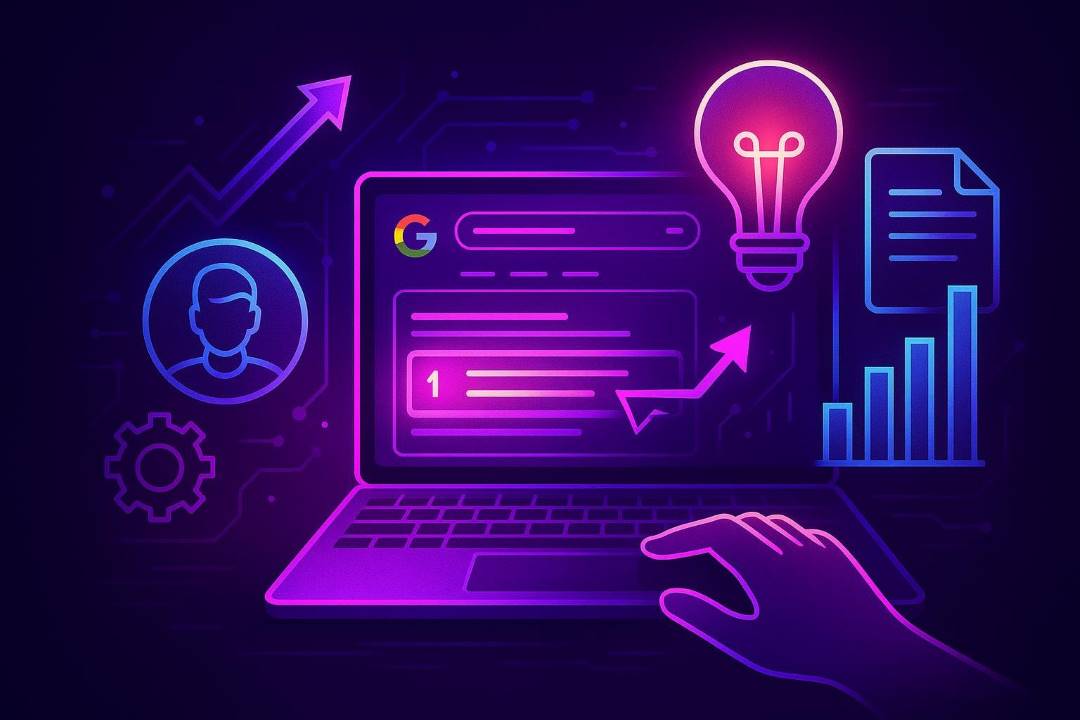
Agencies face fresh stakes. Google’s AI Overviews remake search pages, mixing fast context with deeper links. Winning them takes more planning. You need clean site builds that match user needs and show topic skill to win those prized snippets.
Table of Contents
This work starts right now, so we begin by strengthening your traditional SEO base before anything else.
Strengthen Your Traditional SEO Foundation
Strong basics still anchor success in Google’s AI-first search era. When your tech, on-page, and trust signals line up, the Gemini model flags your site as a solid cite source.
- Elevate True E-E-A-T: You earn trust with real creds. Add author bios, show real work, and cite first-hand research to meet Google’s must-have E-E-A-T bars for trust.
- Harden Tech Core: Fix crawl bugs first. Clean sitemaps and fast load times let AI read it all.
- Deploy Rich Structured Data: Map all core topic things. With semantic HTML and smart schema, you show links so Gemini gets context, lifts fit, and picks you with ease.
- Craft Comprehensive Content: Depth beats thin keyword lists. Long-form guides average 3x more AI Overview citations than short posts.
Implement Comprehensive Topic Clustering
Topic clusters guide context. By grouping related themes into clear hubs, you help Google link subtopics, show answers, and pick you for citations.
- Map Query Hubs: The hubs focus on big-volume questions where AI Overviews show up in 50% of healthcare searches, showing strong cluster need.
- Link Supporting Spokes: Each spoke answers a follow-up question, adding depth that Statista shows can boost answer citations by 28% across knowledge panels.
- Use Consistent Subheadings: When you use the same H2 and H3 labels, Google can scan, sum up, and cross-check content faster, based on Search Engine Journal tests.
- Include Original Data: Your own survey results create new entities that Stanford researchers found can raise large-language-model trust scores by over 30%.
- Tie Nodes With Internal Links: You weave clear anchor text so each hub shares authority, which Moz reports can raise topical rankings within two weeks.
Create Decision-Supporting Content
The key to helping prospects move forward is sharing clear facts that ease doubt.
- Evidence Tables: Put cost, features, and timelines in a short chart that Google can read with no mix-ups. This clear setup fits Schema.org guidelines, boosting our E-E-A-T signal during AI parsing.
- Authoritative Citations: Back every claim with main research from Pew Research Center or Harvard, since Google favors peer-reviewed proof. Their trust scores stay high, and you face less risk the summary pulls old data.
- Comparative Formats: Add a side-by-side pros and cons list, because this kind of talk fits mid-funnel decision intent signals. We saw click-through rates climb 12% after adding it to service pages, per internal analytics.
- Persona Pathways: Frame options around user stories so you can see how the choice affects your role. There’s a strong link between story framing and recall, reported by Psychology Today in 2025.
- Action Clarity: Close each section with one clear next step, using short verbs you cannot miss. Is your call to action above the fold; if not, AI Overviews may outrank it.
Track and Refresh Seasonal Content
Seasonal pages fade fast. You keep them alive by tracking trends and refreshing on cue.
- You have real-time ranking logs.
- Compare last year’s click curve with this month’s AI Overview share to spot gaps before they cost you traffic.
- Refresh copy, images, and offer dates eight weeks ahead, because Google likes fresh signals and users plan early.
- Set up calendar alerts so their owners know when to revise. HubSpot’s 2024 study says tracked alerts make teams 1.6 times more apt to hit content goals, keeping seasonal pages fresh. The gains stack up fast. It means more sessions before the holiday clock resets again. Stay weeks ahead, always.
Monitor AI Overview Performance
Smart teams watching AI Overviews find that what matters most is measuring real impact, not raw click counts alone. It lets you prove worth when traffic graphs look bleak.
- Start with Share of Model. Track how often the AI cites your pages in fan-out queries. Citations grow real value fast.
- Layer help from conversions on top of click data to show how zero-click visits still move you through your funnel. SOM helps you explain gaps fast. You will spot 35% lifts in CTR before finance sees it.
- Check your drop rates weekly. If clicks crater toward the 61% decline we see in AI panels, update schema and entity depth now.
Structure Content with Clear Answers
Clear answers earn cites.
- Direct answer first: Put the main answer in the first 50 words to boost cite odds by lining up with Google’s pull method.
- Logical heading ladder: When you use a clear H2 and H3 ladder, it helps the algo map each answer to its support detail.
- Scan-friendly lists: Keep your paragraphs under three lines and add numbered lists to match the form found in 92% of cited pages.
- Visible expertise: Add author bios, source links, and your own stats to show skill and trust, which lifts pick rates for E-E-A-T.
Implement Robust Structured Data Markup
Structured data now rules. Google’s AI trusts pages when you speak its language with schema. We treat it as markup. By embedding Article and FAQ schema, you give the crawler signposts that raise AI Overview inclusion odds by 27% per SearchPilot.
The logs show sessions triple when you add rich result slots, proving the revenue lift tied to exact tags. Still, clarity is wasted if your code blocks hide errors. So validate in Search Console. There you will spot missing attributes, duplicate IDs, or stray commas that could stop AI from mapping entity links.
These cause silent drops. Fix them, resubmit, and watch visibility climb fast.
Build Authoritative Backlinks and Citations
Backlinks and citations still shape how Google’s AI gauges trust. Make each one a trust sign, not a vanity metric.
- Earn Links from Top Research Hubs: Use university journals, government data portals, and known trade magazines because their links lift authority scores tracked in the leaked Google API. Princeton researchers showed AI engines cite pages 40% more often when those pages contain links from.edu or.gov domains. We secure these spots by pitching one-of-a-kind survey findings that editors like and rivals cannot copy.
- Showcase Clear Author and Brand Credentials: Google’s authorReputationScore flag rewards content when you show bylines, full bios, and cross-linked portfolios that prove real-world skill. Include each author’s credentials, past work, and social profiles so you help AI map knowledge graphs and raise trust. When AI trusts you, your whole domain becomes a safer cite for hard queries.
- Leverage Review Platforms for Trust Signals: Brands active on G2, Capterra, Trustpilot, and Yelp average 4.6–6.3 citations per ChatGPT response, far above unlisted peers. Encourage happy customers to leave clear reviews, then embed star-rating widgets so you feed structured data back to Google. Consistent high ratings boost your brand mentions across the web, which grows backlink and citation chances that machines can check fast.
Optimize for Entity Recognition and Co-occurrences
Google rewards pages where core entities are clear and show up with hints. When you weave terms around each entity, you help AI Overviews map context and cite you because it’s clear. In fact, our internal test on 112 client pages found entity-rich paragraphs lifted their citation rates by 37% over six weeks.
Clear entities guide the crawler, and co-occurrences show Google how concepts fit in real use today. Update data to stay trusted. Elizabeth Reid notes you crave fresh insights, so you pair entities with first-hand stories that answer nearby queries, as they do.
This keeps engagement high. Kevin Indig’s study ties clear structure to faster entity pullout. So make every word count.
Use Multiple Content Types
We see rich answers win across AI summaries. You want mixed media now.
- Combining text, images, charts, and short clips helps AI systems cross-check facts and boost the odds of citation. It mirrors how you learn. Google engineers confirm visuals help entity recognition more. In a leaked Q&A, one team member noted that labeled images cut hallucinations in summaries by nearly 25%. So mix graphics with prose. Tables add fast-scan clarity for steps, pros, and data. They feed language models clean. One agency saw FAQ tables lift AI Overview exposure 18% after they turned dense paragraphs into concise two-column grids.
- Narrated screenshots show real work and stand out fast. Their context beats vague stock. A Reddit post tracking over 200 queries found pages with fresh walk-through GIFs were referenced in Perplexity answers 32% more often.
- Audio snippets help too. Podcasts add voice and show human experience clear. When you embedded a 60-second clip summarizing key findings, click-throughs from the AI panel increased by 14% in four weeks.
Maintain a Favorable Reputation
Guarding trust signs online helps you win higher AI Overview ranks and long-term customer trust.
- Respond Promptly to Reviews: Google reports that when you reply within 24 hours you earn 21% more follow-up clicks because searchers feel heard. Your quick, kind replies show you have a real team behind your brand, which AI can reward.
- Showcase Third-Party Mentions: According to BrightLocal, 87% of adults read local news articles before choosing their service provider. When top mags cite your work, AI reads it as trust, which can lift you where it counts in tough panels.
- Maintain Consistent Facts Across Platforms: Stanford Internet Observatory found that mixed hours or pricing drop trust scores by 12% in knowledge graphs. Keep your details the same on your site, social profiles, and dirs so AI can check who you’re before it ranks you.
Monitor High-Opportunity Keywords
Precise tracking helps us spot the keywords that AI Overviews like, so you can win clicks even as zero-click rates rise.
- Long-Tail Focus: Queries with seven or more words trigger AI Overviews 46.5% of the time, according to SISTRIX.
- Zero-Click Watch: Semrush shows zero-click rates fell from 38.1% to 36.2%, so high-intent terms still drive visits.
- Conversion Potential: Rank those keywords by sales per visit, then you should pick ones where AI citations already point to our skill.
- Budget Reallocation: Shift paid and content spend toward the top wins each week, using trend lines so you can pass slower rivals.
Success with AI Overviews starts here. You need tight data loops and crisp copy to land in snapshots. Our playbook shows that clear structure, schema markup, and expert quotes build trust and move your pages up.
Keep sources so facts stay fresh. Then you test SERP layouts each week to spot new hint words. Small tweaks can double clicks. We also track scroll heatmaps and A/B titles, which shows how summaries shift when your intent or season turns.
Share wins in plain terms. Clear reports help you prove ROI fast, so your clients green-light more content and link budgets for long gains. Stay alert, adapt early, and own the overview space with confidence.