
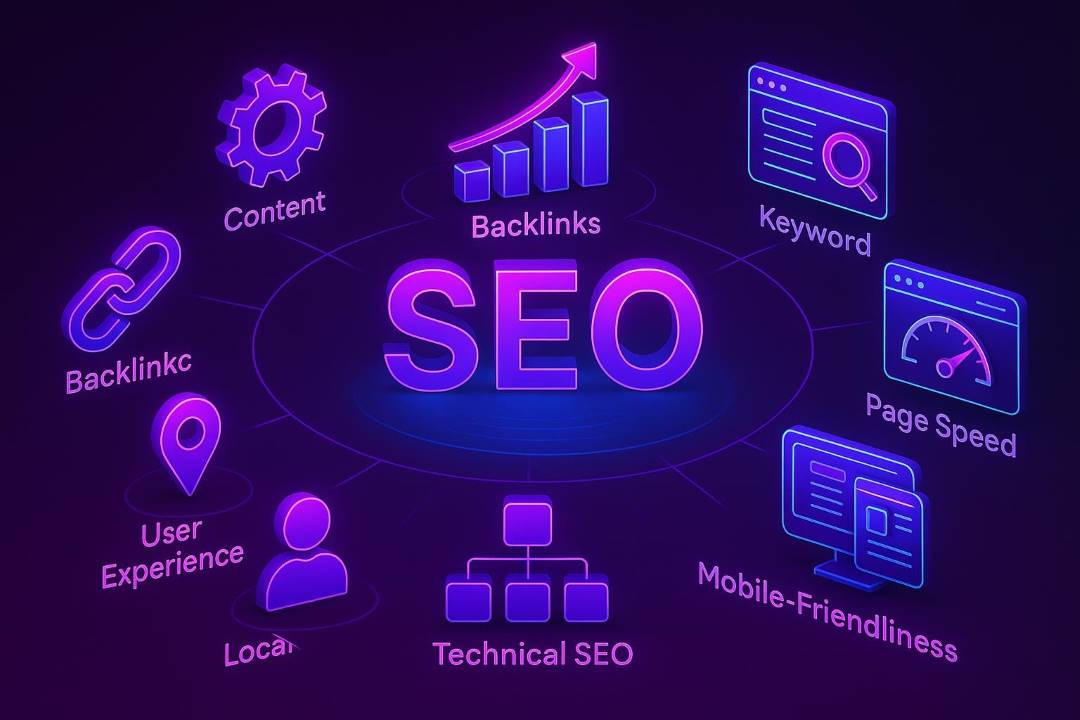
Search results keep changing. You now face new SEO ranking signals. In 2026, ranking factors therefore reward sites that meet intent well, load fast, earn trust, and match content to real user needs. These signals show you how search systems score relevance.
Table of Contents
As a result, your strategy must adapt. Strong SEO rankings now start with content quality, then add mobile first indexing, user experience, speed, links, and AI behavior.
Prioritize High-Quality Content Creation
High quality content drives real search trust. In 2026, search systems reward pages that answer intent clearly while showing proof, care, and real life use.
- Depth over volume: There’s less patience now, because AI summaries block weak pages before you ever reach their sites. Your focus should be on depth, clear words, and sources you can check.
- Real experience signals: Strong content earns trust signals. You notice when examples are real, data is cited, and guidance helps you with steps to completing a task (ie: how-to’s).
- Intent driven structure: It can build lasting relevance. For SEO rankings in 2026, you see clustered content from reputable sources cited by AI search when relevance is aligned.
Optimize for Mobile-First Indexing
Mobile indexing now drives ranks.
- Parity baseline: Your mobile version feeds the one index, so content match is now the base for SEO in 2026.
- Content matching: It means you must match desktop content on your mobile pages.
- Visibility gaps: You will see fewer mobile gaps.
- Crawl paths: Your menus and links guide crawlers through your site.
- User behavior signal: Google will judge your mobile quality first, as mobile searches have passed 60% globally, Google data shows.
Enhance User Experience and Engagement
Building on that mobile readiness, engagement becomes the layer that helps similar pages stand apart within SEO ranking factors in 2026.
- Intent alignment moments: Clear intent matching keeps you reading because the page answers the exact question you had. It cuts drag, and you feel less doubt.
- Interaction quality signals: Real interaction quality is tracked through real use, not lab scores, and it shows how you engage. When you scroll, tap, or pause in a real way, it backs up relevance signals already in place.
- Content flow and micro clarity: Short sections, steady pacing, and plain wording make the experience feel calm and easy. You have all left pages where small annoyances broke your focus, even when the topic fits.
- Trust through consistency: Consistency across pages shows you there’s care behind the site and your time matters. That trust adds up, because you come back, you go deeper, and those visits are tracked by Google Analytics (which impact rankings).
Improve Page Load Speed and Core Web Vitals
Page speed and Core Web Vitals affect rankings because real user data shows how fast stable pages feel. They decide close results.
- Largest ContentPaint: LCP measures when main content shows up, and Google Search Central says good scores help you win tight rankings. Slow servers and big images often hurt LCP, which makes you bounce after that odd blank screen moment.
- Interaction to Next Paint: INP tracks real delay when you click. Web.dev notes big scripts block clicks, so you can trim tasks to keep pages calm during taps.
- Cumulative Layout Shift: CLS measures “jumps” that bug you. There’s a smoother experience when visitors see a fluid layout.
Build Authoritative and Relevant Backlinks
The strongest backlinks in 2026 come from sites that match your topic and place and earn real trust. It helps when links sit inside useful pages because Google reads context and meaning before counting trust.
This means there’s less guesswork. The reason is simple and you have felt it as you scan search results. Bad links feel “off”. In addition, studies cited by Google show local links can drive a 23% lift. They work best when you earn them through real ties like events you went to and mentions.
As a result, it builds calm confidence. Their match also feeds AI Overviews which pull sources that feel safe. This gives them real staying power.
Implement Structured Data and Schema Markup
Structured data gives search engines clear meaning so your pages earn richer results and steady engagement over time. It cuts guesswork.
- Foundation scope: Are Organization and Service schema there?
- Accuracy: You must match the page details you show, word for word.
- Preferred format: The JSON LD format keeps code separate so you can update it with less risk and dodge layout shocks during routine site changes.
- Validation checks: You can run easy tests with schema.org or other validation tools.
- Search visibility: They help AI search results trust your facts and show enhanced listings.
Focus on Topical Authority and Expertise
After schema signals, depth takes lead. You see search engines reward sites that cover topics well with clear skill signals linked across related pages there. This focus is key to SEO ranks in 2026, and it fixes common gaps.
Data from 400+ campaigns shows topical authority drives ranking gains up to 3% faster than chasing domain scores alone. As a result, there’s less waste when you use clusters to answer real questions. If you notice, thin pages die quickly.
This approach builds trust through coverage, context, and careful internal links. It also helps new sites compete, since deep topical maps can beat older domains with mixed content issues. So your teams have clearer roadmaps.
Ensure Secure and Accessible Website Architecture
Secure and easy-to-use architecture shapes how search systems trust your site in 2026. It also decides whether crawlers, assistive tools, and you can reach content with no fuss.
- HTTPS enforcement and security headers: You keep trust signals strong when HTTPS is used on all pages, which Google Transparency Report shows exceeds 95% of loaded pages. It also stops mixed content errors, helping crawlers index clean URLs with no warnings that can cut visibility. There’s less crawl waste, and they reward smooth delivery with more steady indexing.
- Crawl access and logical permissions: You guide discovery by lining up robots rules, XML paths, and server replies with clear intent. Search Engine Journal notes misused noindex tags are a common cause of lost rankings in audits.
- Accessibility aligned with semantic structure: You gain reach when headings, labels, and landmarks match real meaning. WebAIM Million data shows over 95% of homepages still carry clear accessibility errors. They affect how assistive tech reads pages, and it’s often overlooked even though it helps crawl understanding and their trust.
Adapt to AI and Voice Search Trends
Having a great foundation now supports smarter find through AI search. It links safety to answers. As voice use grows, you will hear longer questions asked. The shift to spoken queries means your pages must respond clear, fast, and in plain words.
As a result, there’s less room for “clipped keywords” now in results. You will want direct replies as studies from Statista show over 50% of adults have used voice search, and people want quick spoken-type of responses.
This means the answer style matters. You should format content as questions with brief answers. It helps AI read it out loud. So you will test phrasing each week, it’s tracked.
Search signals now reward clarity. Google systems now weigh topical authority and helpful content with site health. As a result, user trust drives rankings. Clear intent matching now matters more than raw keywords across tough queries.
Sites that show real skill and know how through depth and links and fresh updates tend to earn stable gains over time. AI signals back human judgment. This means you will see value when you link workflows to research, content, and on-page fixes.
At SEO Vendor you can line up data and AI outputs and human review into white-label ready systems you can audit. Overall, this approach gives you and your team control and clear reports and repeatable gains without hype or risky shortcuts.
Results compound with patience. Ultimately, you build rankings by consistency.