
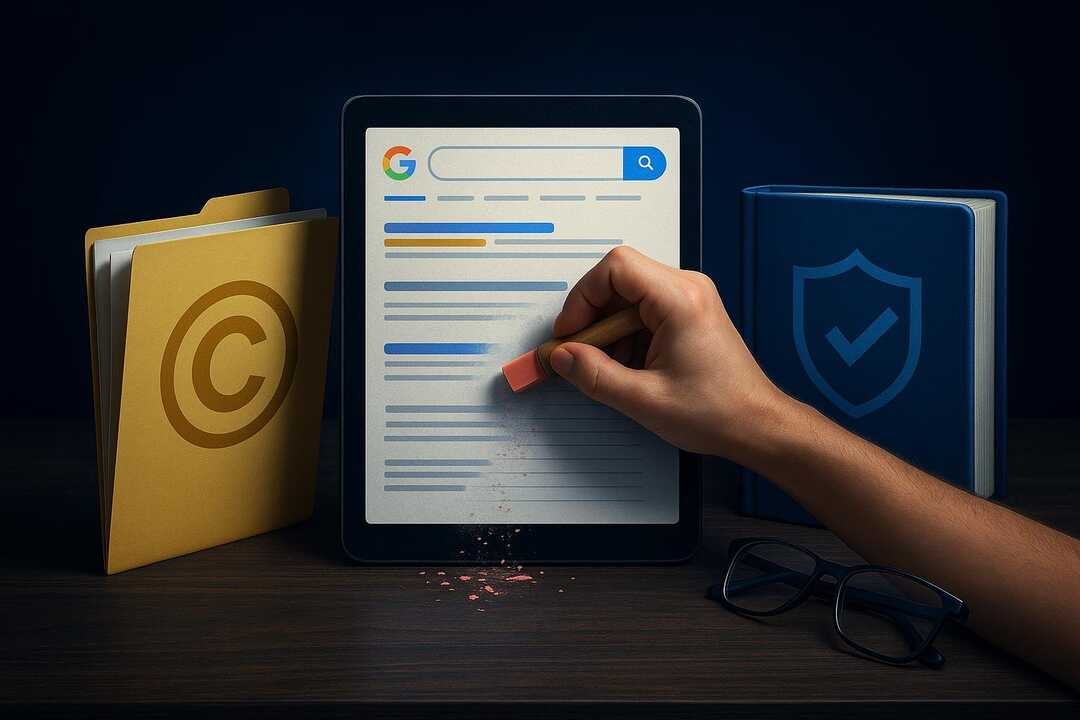
DMCA takedowns can erase lawful pages. Google says valid notices can delist URLs from Search results. However, abuse can hide real content. That risk can cut your traffic, leads, trust, and brand work.
Table of Contents
In addition, we cover notice checks too. You start with what page removal means under DMCA rules, then you cover claim checks, fix steps, risks, and policy limits.
What Is Real Page Removal Under DMCA Agency Protection
Real page removal under DMCA agency protection is the disabling or takedown of a live webpage after a copyright claim says the page uses protected work with no permission. The DMCA was passed in 1998, and it changed United States copyright law to cover online material.
As copyright.gov states, the law set up “the notice and takedown system,” so copyright owners can tell online service providers that they think infringement is there. If you run a site, it means your page can be removed from public view after a provider gets a notice and acts before more legal action.
Georgetown University says notices must reach a provider’s set agent “in writing” to be legally valid. Specifically, the notice often cites 17 U. S. C. § 512(c)(3) and includes your contact details, proof you own the work, URLs, screenshots, a good faith statement, and your signature to support the claim.
In the Google agency protection topic, that same process can erase your real pages from search view because the claim targets the page itself.
Compare Legitimate vs Abusive DMCA Claims On Google
This table compares five points that help you tell a valid Google DMCA claim from an abusive one that can erase real pages from search.
| Point | Legitimate claim | Abusive claim |
|---|---|---|
| Legal basis | Targets copied work you own under the DMCA, a U.S. law passed in 1998. | Targets lawful pages or work “you don’t own.” |
| Proof | Shows the original URL, copied URL, and what was taken. | Uses vague claims, weak matches, or no clear proof. |
| Scope | Focuses on specific text, images, video, audio, or code. | Tries to wipe broad sections or whole real pages from Google. |
| Process | The guide says you should assess the issue first and contact the site owner when fit. | Files first, checks later, and pushes removal before review. |
| Disputes | Evaluates a counter notice fairly; anyone worldwide can file, but hosting location still matters. | Ignores counter notices and keeps pressure on search removal. |
How To Spot Real Pages Hidden by Takedowns
After that review, use these five checks to spot real pages hidden by takedowns.
- Search your key headlines and URLs in Google, then scroll to the end of the results page. Press Gazette noted that Google puts the DMCA removal line there with a Lumen link.
- Check Search Console for a sharp drop in clicks or views on one URL. It’s often the first sign your real page was pulled from search.
- Search the Lumen database for your domain and match each notice to the lost URL. There, you can see if they named your domain in their claim.
- Compare the lost page with the query that still shows results. Glenn Gabe said one cleared complaint “didn’t make sense,” so odd pairings need a close look.
- Review broad losses fast if many of your live pages vanish at once. Roger Montti reported a case where more than 400 live articles were deindexed.
Step Process To Restore Genuine Content Deleted by DMCA
Use these five steps to restore content.
- Pull the full DMCA notice and map each removed URL to the page you own. It shows where the claim begins.
- Check that you own the work and that fair use may protect the other page or your copy. Google says fair use can stop or undo a takedown.
- Answer Google’s three filing questions before you respond. You have three checks: ownership, permission, and fair use.
- File through Google’s DMCA Dashboard with your account and include the exact URLs plus proof that your page is real. Google can remove pages from search, but it doesn’t delete the original file.
- Send the same dispute to the site or host if your page was removed by mistake. If they don’t sue after a counter notice, your content may be restored.
Common Questions About Google Agency Protection Policy
Here are four common questions you may have about Google agency protection policy.
- Does Google remove pages on demand? No. Attorney Maurice N. Ross said Google “often honors well-written take-down notices,” so a weak or partial filing can fail.
- Why can a real page still vanish? A page can drop from search while Google reviews a claim, which is why you may see real pages disappear during DMCA disputes. Bruce E. Burdick also said that the material may come back after a counternotice.
- Can you pressure Google to act faster? Usually no. Burdick wrote that Google will make “its own determination” if it thinks the material is legal, so you should expect a long fight.
- Does a refusal end your options? No. Attorney Daniel Nathan Ballard said that if your notice met all legal rules and Google still refused, it could lose DMCA immunity, which is why you may want legal review.
Mistakes Agencies Make Filing Takedowns Against Real Pages
Those policy points lead to four agency mistakes that wipe out real pages.
- Vague URL targeting: Google says a notice must name the material clearly, so broad matches can take down your lawful page.
- Skipping fair use review: In Lenz v. Universal, the court said senders must weigh fair use, or they may hit your lawful content.
- Template claims at scale: The Lumen Database has shown repeat notice patterns, and they raise the odds of false page matches for you.
- No proof trail: If there’s weak rights proof or a bad screenshot, their claim can fail and your page can vanish first.
Risks For Brands When Real Pages Get Removed
These five DMCA brand risks follow.
- Google visibility risk: Penney found 59% changed how you searched, which can cut discovery.
- Your trust cracks, and it hurts.
- Speech chill risk: Penney reported 75% would avoid topics online, so you mute your views.
- Over removal mistake: Lumen research found 66% of 9,890.il URL requests hurt reputation, which can bury your pages in the index.
- Revenue loss: there’s less demand.
Criteria Google Uses To Validate DMCA Notices
Google checks notices to make sure they’re legal. You need clear proof you own it, the exact URLs at issue, and a sworn claim that their use isn’t allowed under DMCA rules. The Copyright Office guide cited in the forum says search engine duties are in the act, and that registration matters for more action.
However, snippets often fail because it’s short. In WebmasterWorld, BigDave said 40 to 50 words may be too short. This means fair use may apply so they may stay. If there’s limited copying or weak proof, your notice may be denied.
When Not To Use Agency Protection For Content Disputes
With that legal line in view, you should avoid agency protection in these four content dispute cases.
- Using it for criticism or reviews: Section 512, added in 1998, covers copyright claims, not bad reviews, news, or opinions, so a bad claim can erase real pages from search.
- Claiming content you don’t own: The National Security Law Firm notes only the copyright owner or an approved agent can file, and just being in a photo or video doesn’t give you the copyright.
- Trying to fix your reputation by copyright alone: Reputation.ca says a DMCA notice can remove copied work you own, but it will not remove content that is just true, harsh, or embarrassing.
- Assuming a platform must act: The Congressional Research Service says provider action is up to them, though Section 512 offers four “safe harbors,” so your weak notice may fail and still deepen a dispute over valid pages.
False DMCA claims erase valid pages. If search drives leads, you will need a team review before Google locks in loss. Speed matters most here. Public reports have shown complaint volume stays high, and false hits still slip through.
That means auto filing can save work, but one weak claim can hide a legal URL before you get a fair review. So you should judge it by how fast they act, how good your proof is, and how much help you get to put it back.
Ask us to audit risk.