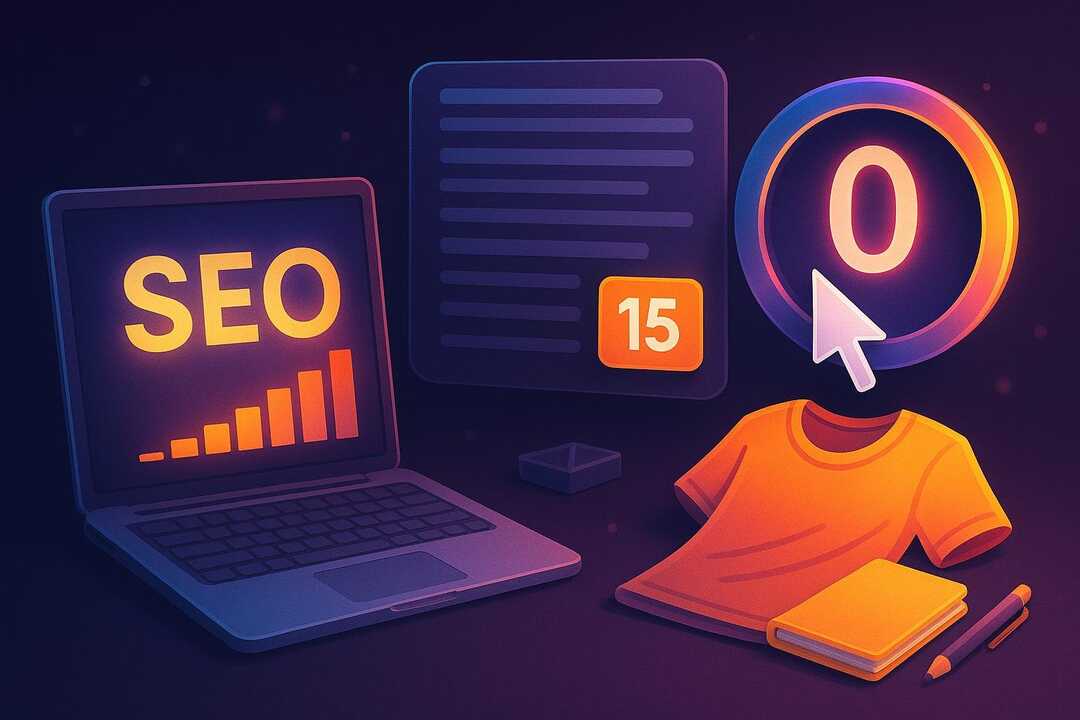
Few ranking reports feel stranger than seeing your SEO process page sit at #15 while you get zero clicks. That spot lacks top visibility, so you scan fast, and clear value beats spammy URLs and bland buzzwords.
Table of Contents
When your snippet shows no clear gain and your description gives you no real clues, you keep scrolling with no pause. Thin pics add little. On phones, cut off text can hide key text in your listing. Most often, it starts with your title.
Titles that don’t grab attention
Weak titles waste hard won rankings and dull search interest. If your SEO process page sits at 15, a plain headline gives you no strong reason to stop and pick it. The result is silence. Google says micro moments hit when you want fast answers.
Titles must meet that. In addition, Schema.org data helps Google show FAQs, reviews, and breadcrumbs, and those cues grab your eye before trust turns into clicks. There’s a catch. If the title feels plain, you may see your name in zero click results, yet your trust forms more slowly.
It still hurts. As a result, your SEO process page at 15 gets zero clicks.
Snippet shows no user benefit
A page at #15 can still get ignored when the snippet shows no clear gain for you. SparkToro says nearly 30% of searches end without a click, so it’s smart to show a real win fast.
- Vague outcome: Plain snippet text hides what your SEO process page will help you fix or learn.
- Intent gap: If you want steps, timing, or costs, you may stay there and skip your result.
- Missing proof: Add data, FAQs, and schema, so you see the gain before zero click features answer you.
Meta description lacks relevance clues
There’s a real cause behind weak snippets: missing clues that fit.
- Intent: Match the query, or people will skip your result fast. The line under your title shows you if the page fits their need. Without clear clues, a page at 15 can still get ignored.
- Length: Many pros say to keep it under 155 characters before search results cut text. That limit keeps your message whole and your meaning clear. You see long descriptions break mid sentence, and you may think they look sloppy.
- Testing: One rewrite lifted click through rate 18% in one week, then 31%. That gain came from sharp fit, and it can help you. If descriptions stay blank, search engines may pull text they find instead.
URL looks spammy or untrustworthy
Bad URLs can kill trust before you click. That loss comes fast. Across many SEO campaigns, we have seen odd strings and extra folders make your result feel less safe online. The mess looks machine made.
Google Search Central says simple readable URLs help you grasp page topics. That builds trust. It also helps you spot bad pages in reports. Because of this, there’s a clear norm. Google’s Transparency Report shows over 95% of Chrome page loads use HTTPS, so plain HTTP can feel unsafe.
If your slug is stuffed with dates or random numbers or each keyword, you may doubt your next click. In the end, keep it short, plain, and human, and your click rate will rise.
Competing result offers clearer value
- First promise: Once that first trust check passes, you compare which result promises the clearest payoff. At rank 15, zero clicks often mean another listing says the gain fast, and it leaves less doubt.
- Clear answers: Forbes notes strong pages answer your questions, build trust, and help you become clients, so clear value wins attention.
- Trust proof: Review signals shape brand trust and can drive new leads, so you favor results when you see proof early.
- Zero click pressure: There’s more pressure too, with about 60% of searches ending without clicks, so vague process pages lose ground.
No visual elements draw interest
Value alone will not win the click. If your result looks flat, people pass it by, and your SEO process page near page two stays ignored.
- Flat thumbnail: Pages with no image cue blend into text heavy results and lose quick attention. Nielsen Norman Group found you scan in seconds, so bland previews get skipped before trust forms.
- No proof cue: Charts, badges, or process visuals can raise interest because you judge pages in about 50 milliseconds. If there’s nothing to grab your eye, you doubt your time and expect long copy.
- Missed contrast: Strong color contrast helps key elements pop, and WebAIM says low contrast hurts scanning and clarity. It also makes your listing feel easy to miss, which cuts curiosity before you ever reach the page.
Mobile preview cuts off key text
Mobile screens leave little room. Cut text hurts clicks before users even rate your page.
- Frontload: On phones, you see text end after about 50 to 60 characters. If your key phrase lands late, you miss it before you scan on. Semrush found AI Overviews reached nearly 25% of queries in July 2025.
- First words: With AI answers above results, your first mobile words must grab attention. Seer Interactive saw organic CTR drop 61% where AI Overviews appeared. Hidden text leaves you less strong while you keep your search inside Google.
- Test: Google made AI Mode broad in the United States during May 2025. By April 2026, Chrome opened pages beside AI Mode instead. That means clipped mobile text gets even less time to win the click.
Title or description repeats generic buzzwords
Generic buzzwords hide intent, and that is one reason your #15 page gets zero clicks.
- Vague match: Words like new, best, and full weaken fit because Google reads thin context from broad language. Search Engine Journal says clear titles help you spot your exact need, which lifts click test signs.
- No new reason: When your description repeats common SEO claims, you see another copy of pages already filling search results. Google may test it for days, weeks, or months before they grow impressions there.
- Crowded results: At competitive head terms, massive publishers and forums crowd the page, so generic wording gives you no edge. Specific phrases on weak internal links tell Google there’s fresh context, so fit grows fast.
Ranking sits just outside prime visibility
Pages near spot 15 fade fast. The page still ranks, but most searchers stop far above it. On an SEO process page, that gap grows because AI Overviews can answer basic questions before you ever reach result 15.
This can mean your content is seen, yet skipped. There’s still real value. Specifically, zero click searches mean your Google Search Console impressions often rise before clicks ever follow. That is the clue.
If you keep seeing your name in results, summaries, and maps, you start to trust your next click more. So we track impressions in the first 90 days, because that repeat view tells Google your page is a known source.
Then clicks have room.
Zero clicks send signals. Your page can rank and still seem easy to skip. At position 15, average organic click rates often sit below 1%, so weak titles and vague intent get ignored fast. If your headline blends in and your promise misses the query, they will pass you by in a flash.
So your snippet must earn attention. Clear wins, sharp words, and real proof will raise curiosity. For example, we have seen process pages gain clicks after tighter titles, stronger meta copy, and clearer next steps that matched what you meant.
That match closes the gap. If you want traffic, rewrite for clicks before you chase higher rankings. Fix that, and clicks follow.